Fat-Tire All-Terrain E-Bikes for Winter and Snow: The Complete 2026 Guide
Fat-Tire All-Terrain E-Bikes for Winter and Snow: The Complete 2026 Guide
When the first snow hits and most cyclists put their bikes into storage, fat-tire e-bike riders are just getting started. A fat-tire all-terrain e-bike turns snow-covered trails, icy sidewalks, and slushy commutes into rideable terrain instead of no-go zones. If you’re shopping for a winter e-bike or trying to figure out whether a fat-tire electric bike can actually handle snow, this guide covers everything you need to know before you buy.
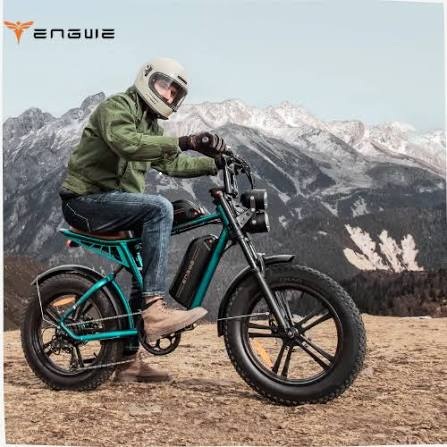
What Makes an E-Bike Good for Snow and Winter Riding?
Not every electric bike with wide tires is built for winter. A true snow e-bike needs a specific combination of features working together. Here’s what actually matters when you’re riding through snow, slush, or icy patches.
1. Tire Width and Tread Pattern
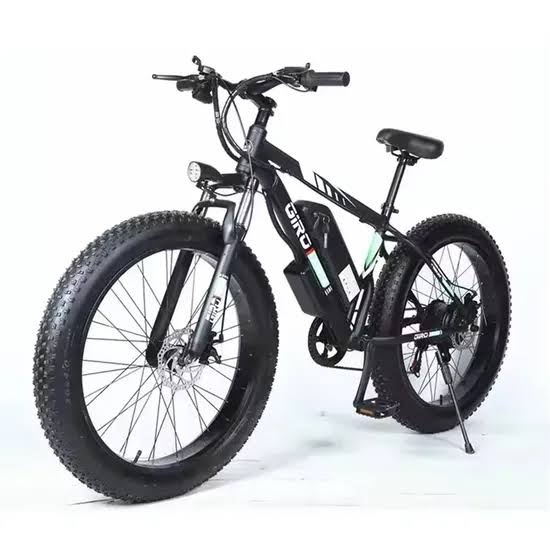
Most fat-tire electric bikes use tires between 4 and 4.8 inches wide. This width distributes your weight over a larger surface area, which is exactly what you want in soft snow so you float on top instead of sinking in. Look for an aggressive, knobby tread pattern designed for all-terrain e-bike use rather than a smooth street tire — the deeper lugs bite into snow and ice for real traction.
2. Studded Tire Compatibility
For genuinely icy conditions, studded fat tires are a game changer. Some riders run studded tires all winter; others swap them in only after freezing rain or black ice becomes a regular concern. When comparing winter fat bikes, check whether the manufacturer offers a studded tire option or whether the wheel size is a common aftermarket fit.
3. Motor Power and Torque
Riding through snow takes noticeably more effort than riding on pavement, so torque matters more than top speed here. A mid-drive motor with at least 80Nm of torque, or a geared hub motor in the 750W–1000W range, gives you the low-end push needed to get moving from a stop in snow without spinning out.
4. Battery Performance in Cold Weather
Lithium-ion batteries lose capacity as temperatures drop — it’s common to see a 20–30% range reduction once temps fall below freezing. Look for a battery in the 700Wh to 960Wh range if winter riding is a priority, since the buffer helps offset cold-weather capacity loss. Removable batteries are also worth prioritizing in winter: you can bring the battery inside to keep it warm between rides instead of leaving it exposed to freezing temperatures in a garage or shed.
5. Hydraulic Disc Brakes
Wet, cold, and gritty winter conditions are hard on braking systems. Hydraulic disc brakes maintain consistent stopping power in wet and freezing conditions far better than mechanical disc or rim brakes, which can be a serious factor in ice or slush.
6. Frame Geometry and Stability
A lower center of gravity and a slightly longer wheelbase add stability when the surface underneath you is unpredictable. Step-through frames can also make it easier to put a foot down quickly on slick surfaces, which is a small but meaningful safety factor in winter riding.
Top Fat-Tire E-Bikes for Winter and Snow Riding
Here’s a rundown of standout options across different budgets for anyone shopping for a fat-tire all-terrain e-bike this season.
QuietKat Jeep E-Bike
Built for genuinely rugged terrain, the QuietKat Jeep brings a powerful mid-drive motor and 4.8-inch tires that handle deep snow with ease. It’s on the pricier end, but it’s aimed squarely at riders who need a true off-road winter e-bike rather than a casual commuter.
Rad Power RadRover 6 Plus
A long-running favorite in the fat-tire category, the RadRover pairs 4-inch tires with a reliable geared hub motor and a reasonable price point, making it a solid entry point for riders trying winter fat-biking for the first time.
Lectric XPeak 2.0
Budget-friendly without cutting major corners, the XPeak 2.0 offers capable all-terrain performance and holds up reasonably well in light-to-moderate snow, making it a practical pick for riders who don’t need extreme cold-weather capability every day.
Trek Allant+ 8S
While not a dedicated fat-tire model, the Allant+ 8S deserves a mention for riders who want reliable all-weather commuting with excellent component quality, integrated lighting, and a smooth mid-drive motor for consistent power delivery on slushy commutes.
For More Detail About Smart E-Bikes, Please Click Below:
- What Is a Smart E-Bike? A Beginner’s Guide.
- E-Bike Battery Technology 2026 (700Wh–960Wh packs)
- Smart E-Bikes.
Tips for Riding an E-Bike Safely in Winter
- Lower your tire pressure slightly — dropping a few PSI increases the tire’s contact patch with snow for better traction.
- Ride at a slower, steadier pace — sudden braking or sharp turns are far more likely to cause a slide on snow or ice.
- Keep your battery warm — store it indoors when not riding, and let it come closer to room temperature before charging.
- Add reflective gear and lighting — winter days are shorter, and snow glare or low light reduces visibility for everyone on the road.
- Check brake pads and drivetrain regularly — road salt and slush accelerate corrosion, so wipe down your bike after wet rides.
- Dress in layers — wind chill at e-bike speeds is more intense than walking or standing still, so windproof outer layers matter more than you’d expect.
Is a Fat-Tire E-Bike Worth It for Winter Riding?
If you live somewhere with real winters and don’t want to give up riding for three or four months a year, a fat-tire e-bike is one of the few practical ways to keep going. The upfront cost is higher than a standard e-bike, but for commuters, delivery riders, or anyone who simply doesn’t want winter to end their riding season, the traction, stability, and range benefits make a strong case. Just make sure you match the tire width, motor torque, and battery capacity to the conditions you’ll actually be riding in, rather than buying the most expensive option by default.
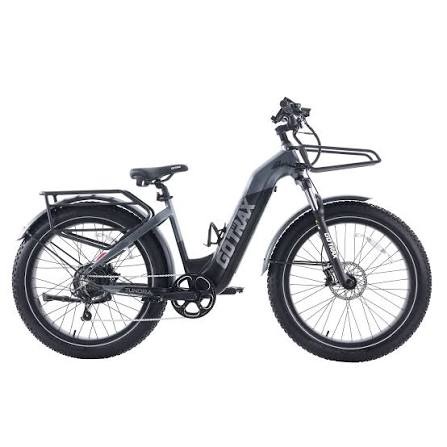
Frequently Asked Questions
Can regular e-bikes ride in snow?
Standard e-bikes with narrow tires can struggle significantly in snow deeper than an inch or two, and they offer far less traction on ice. Fat tires are strongly recommended for anything beyond light dusting or wet pavement.
How much range do you lose riding an e-bike in winter?
Expect a 20-30% drop in battery range in freezing temperatures, plus additional range loss from the higher rolling resistance of riding through snow. A bigger battery (700Wh+) helps offset this.
Do I need studded tires for winter e-biking?
Studded tires aren’t essential for light snow, but they make a significant difference on ice and packed, slick snow. If you regularly encounter icy conditions, studded tires are a worthwhile investment.
Very Nice and informative article for me
Thankyou