How Smart E-Bikes Work In 2026
How Smart E-Bikes Work in 2026
Understanding how Smart E-Bikes work can help you choose the right model, use it more effectively, and appreciate the technology behind every ride. Whether you’re commuting through a busy city, exploring scenic trails, or replacing your daily car trips, smart technology makes cycling more efficient than ever.
Electric bikes have come a long way over the past decade. What started as simple pedal-assist bicycles has evolved into intelligent machines packed with advanced technology. In 2026, Smart E-Bikes are no longer just about electric assistance—they’re connected, data-driven, and designed to deliver a safer, smoother, and more personalized riding experience.
In this guide, we’ll explain how Smart E-Bikes work in 2026, the technologies that power them, and why they’re shaping the future of personal transportation.
What Are Smart E-Bikes?
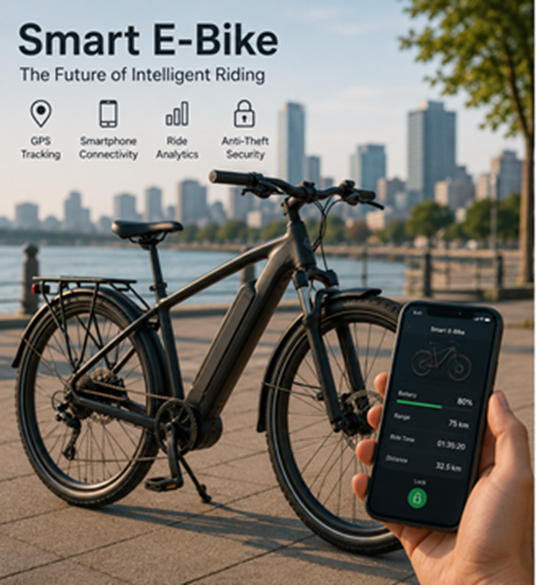
A Smart E-Bike is an electric bicycle equipped with intelligent hardware and software that communicates with sensors, mobile apps, GPS systems, and cloud-based services.
Unlike a traditional e-bike that simply provides motor assistance, a smart model continuously collects and analyzes data to improve performance, efficiency, and safety.
Modern Smart E-Bikes can:
- Connect to your smartphone
- Monitor battery health
- Track ride statistics
- Provide GPS navigation
- Detect theft attempts
- Receive wireless software updates
- Automatically adjust motor assistance
Think of a Smart E-Bike as a computer on two wheels. Every ride generates valuable data that helps the bike make smarter decisions in real time.
The Core Components That Make Smart E-Bikes Work
Although Smart E-Bikes look similar to regular bicycles, several advanced components work together behind the scenes.
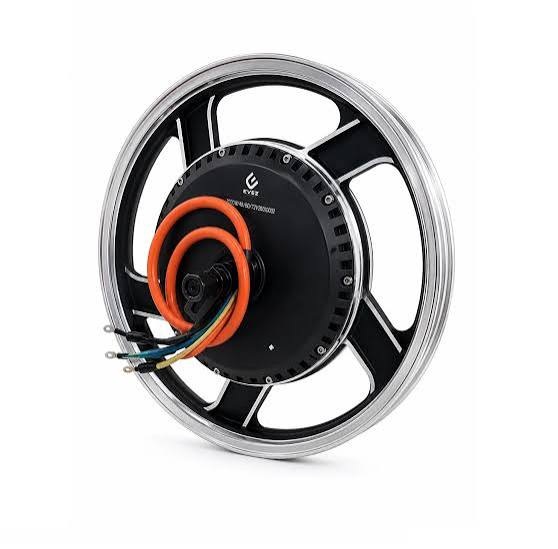
Electric Motor
The motor provides pedal assistance whenever you begin cycling.
In 2026, most Smart E-Bikes use one of three motor types:
Hub Motor
Located inside the front or rear wheel.
Advantages include:
- Affordable
- Quiet operation
- Low maintenance
- Great for city riding
Mid-Drive Motor
Positioned near the pedals.
Benefits include:
- Better weight distribution
- Improved hill climbing
- Higher efficiency
- More natural riding feel
Mid-drive motors remain the preferred choice for commuters and long-distance riders.
High-Efficiency Smart Motors
Newer Smart E-Bikes feature motors that continuously adjust power based on real-time conditions instead of delivering fixed assistance.
For example, the bike may reduce motor output while cruising on flat roads to conserve battery, then instantly increase power when climbing steep hills.

Lithium-Ion Battery System
The battery powers both the electric motor and the bike’s intelligent electronics.
Battery technology has improved significantly in recent years.
Modern batteries now offer:
- Longer range
- Faster charging
- Better thermal protection
- Longer lifespan
- Improved energy efficiency
Many Smart E-Bikes in 2026 include intelligent battery management systems (BMS) that constantly monitor:
- Battery temperature
- Charging cycles
- Remaining capacity
- Cell balance
- Overall battery health
This information is displayed through the bike’s companion app, helping riders plan trips more confidently.
Electronic Controller
The controller is often called the “brain” of the Smart E-Bike.
Every second, it processes information from multiple sensors and determines exactly how much assistance the motor should provide.
The controller manages:
- Motor speed
- Power output
- Battery efficiency
- Riding modes
- Safety features
- Diagnostic systems
Instead of applying a fixed amount of power, it makes thousands of tiny adjustments during every ride.
Smart Sensors: The Technology Behind Every Ride
Sensors are what truly make Smart E-Bikes intelligent.
Rather than relying on simple on-and-off assistance, modern systems continuously measure rider input and surrounding conditions.
Torque Sensor
- One of the most important components is the torque sensor.
- It measures how hard you’re pressing on the pedals.
- If you pedal gently, the motor provides light assistance.
- If you pedal harder—such as when climbing a hill—the motor instantly delivers more power.
- This creates a riding experience that feels smooth and natural.
Cadence Sensor
A cadence sensor measures how quickly you’re pedaling.
Instead of focusing on pedal force, it monitors pedal rotation.
This allows the bike to:
- Detect when you start pedaling
- Activate motor assistance
- Maintain smooth acceleration
- Improve riding comfort
Many Smart E-Bikes combine cadence and torque sensors for maximum efficiency.
Speed Sensor
The speed sensor tracks how fast the bike is traveling.
Its information helps:
- Regulate motor assistance
- Maintain legal speed limits
- Improve energy efficiency
- Provide accurate ride statistics
Speed data is also displayed inside the companion app after each ride.
Motion and Incline Sensors
Advanced Smart E-Bikes include sensors that detect movement, road angle, and terrain.
These sensors allow the bike to recognize situations such as:
- Riding uphill
- Descending steep roads
- Stopping at traffic lights
- Navigating rough surfaces
The controller automatically adjusts motor output based on this information, reducing the need for manual adjustments.
Artificial Intelligence Makes Riding Smarter
One of the biggest advancements in 2026 is the use of Artificial Intelligence (AI).
AI doesn’t replace the rider—it simply helps the bike make better decisions.
Over time, many Smart E-Bikes learn your riding habits.
For example, the system may recognize that you:
- Commute every weekday
- Prefer Eco mode in the morning
- Ride faster on weekends
- Frequently climb the same hills
Using this information, AI can optimize battery usage, recommend efficient routes, and adjust motor assistance for a more personalized experience.
Some premium models even provide predictive range estimates that account for weather, terrain, and your past riding behavior, making battery calculations far more accurate than earlier generations.
Connectivity: Keeping Your Bike Connected
Connectivity is one of the defining features of modern Smart E-Bikes.
Instead of functioning as standalone machines, they communicate with smartphones, cloud platforms, and wearable devices.
Bluetooth Connectivity
Bluetooth allows your bike to pair with a mobile app.
Through the app, riders can:
- Lock or unlock the bike
- Change riding modes
- Monitor battery status
- Track ride history
- Receive maintenance reminders
- View diagnostic reports
This wireless connection makes everyday management simple and convenient.
Wi-Fi and Cloud Services
Many Smart E-Bikes automatically connect to Wi-Fi when parked at home.
This enables:
- Automatic software updates
- Secure cloud backups
- Ride synchronization across devices
- Improved security features
- Performance enhancements released by the manufacturer
Because of cloud connectivity, your Smart E-Bike can continue improving long after you purchase it.
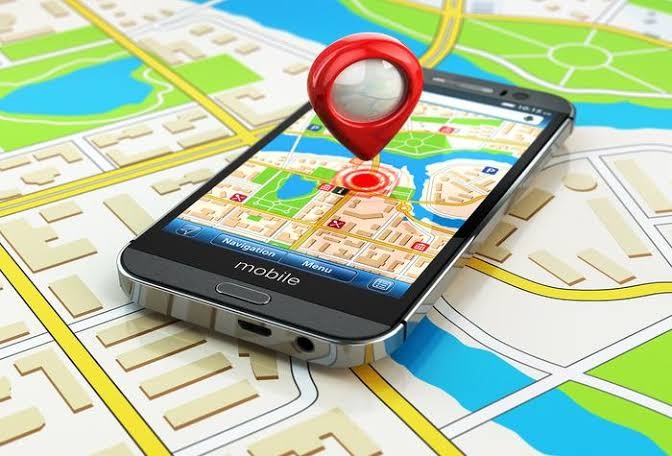
GPS Technology
GPS has become one of the most valuable features for riders.
Modern Smart E-Bikes use GPS for much more than navigation.
Common applications include:
- Turn-by-turn directions
- Live location tracking
- Route recording
- Theft recovery
- Finding parked bikes
- Sharing ride locations with family or friends
For commuters and travelers alike, GPS adds both convenience and peace of mind.
Smart Displays and Mobile Apps
The handlebar display has evolved into a sophisticated control center.
Instead of showing only speed and battery level, today’s displays provide real-time insights such as:
- Remaining battery range
- Current assistance mode
- Navigation prompts
- Estimated arrival time
- Ride efficiency
- Battery health
- Weather alerts (on supported models)
When paired with a smartphone app, riders gain access to even more advanced features, including detailed ride analytics, maintenance schedules, firmware updates, and customizable performance settings.
These digital tools make Smart E-Bikes easier to own, easier to maintain, and more enjoyable to ride than ever before.
More Useful Links:
Real-World Applications of Smart E-Bikes in 2026
Smart E-Bikes are no longer limited to recreational cycling. Around the world, they have become practical transportation solutions for people with different lifestyles and needs.
Urban Commuting
In busy cities, Smart E-Bikes help riders avoid traffic congestion, reduce commuting costs, and reach their destinations more efficiently.
Features such as GPS navigation, real-time battery monitoring, and adaptive pedal assistance make daily commuting more predictable and less stressful.
Many commuters also use companion apps to track travel time and compare routes, helping them choose the fastest or most energy-efficient journey.
Fitness and Recreation
Contrary to the myth that electric bikes eliminate exercise, Smart E-Bikes encourage many people to ride more often.
By adjusting pedal assistance, riders can:
- Increase workout intensity over time.
- Track calories burned and ride duration.
- Monitor weekly fitness goals.
- Explore longer routes with confidence.
The result is a balance between physical activity and riding comfort.
Tourism and Adventure
Travelers increasingly choose Smart E-Bikes to explore cities, parks, and scenic routes.
Integrated navigation and route recording allow riders to discover new places without worrying about getting lost. Many apps also highlight charging points, cycling-friendly roads, and popular attractions along the way.
Delivery and Business Use
Businesses and delivery professionals benefit from Smart E-Bikes through:
- Optimized route planning.
- Lower operating costs.
- Reduced fuel expenses.
- Easier navigation in crowded urban areas.
- Improved fleet tracking for multiple bikes.
For delivery services, intelligent battery management helps reduce downtime and improve productivity throughout the day.
Benefits of Understanding How Smart E-Bikes Work
Knowing how Smart E-Bikes work helps you make better decisions before and after buying one.
Better Battery Management
Understanding battery behavior allows you to:
- Avoid unnecessary charging.
- Maximize battery lifespan.
- Plan longer trips confidently.
- Recognize early signs of battery wear.
A well-maintained battery can provide years of reliable performance.
Improved Riding Efficiency
By understanding how sensors and assistance levels work, you can choose the most efficient riding mode for different situations.
For example:
- Eco mode for longer range.
- Tour mode for balanced assistance.
- Sport mode for steep hills.
- Turbo mode when maximum power is needed.
Using the appropriate mode helps conserve energy without sacrificing comfort.
Enhanced Safety
Smart technologies contribute to safer riding through:
- GPS tracking.
- Theft alerts.
- Automatic lighting on compatible models.
- Diagnostic warnings.
- Predictive maintenance reminders.
Rather than reacting to problems after they occur, many Smart E-Bikes notify riders before issues become serious.
Challenges and Limitations
Although Smart E-Bikes offer impressive technology, they’re not without drawbacks.
Higher Purchase Price
Advanced electronics, sensors, and connectivity increase manufacturing costs.
However, many riders offset the higher initial investment through lower transportation expenses and reduced fuel costs over time.
Dependence on Technology
Smart features rely on software and electronic systems.
Occasionally, users may need to:
- Install firmware updates.
- Reconnect smartphone apps.
- Troubleshoot connectivity issues.
- Replace electronic components.
Fortunately, manufacturers continue improving software reliability and user experience.
Battery Replacement Costs
Lithium-ion batteries eventually wear out after years of use.
Replacing a battery can represent a significant expense, but proper charging habits and regular maintenance help extend its lifespan considerably.
Privacy Considerations
Because Smart E-Bikes collect ride data and location information, riders should review privacy settings within the companion app.
Choosing strong account passwords and enabling two-factor authentication, when available, helps protect personal information.
Practical Tips for Getting the Most from Your Smart E-Bike
Whether you’re a beginner or an experienced cyclist, these habits can improve both performance and longevity.
Keep Your Software Updated
Manufacturers regularly release updates that improve:
- Battery optimization.
- Motor responsiveness.
- Security features.
- App functionality.
- System stability.
Enable automatic updates if your bike supports them.
Maintain Proper Tire Pressure
Correct tire pressure:
- Improves battery range.
- Enhances handling.
- Reduces rolling resistance.
- Increases rider comfort.
Check tire pressure before long rides or at least once every couple of weeks.
Use Smart Features Wisely
While it’s tempting to enable every feature, focus on the ones that genuinely improve your experience.
For many riders, the most valuable tools include:
- GPS navigation.
- Battery diagnostics.
- Ride analytics.
- Theft protection.
- Maintenance reminders.
Protect Your Battery
To maximize battery life:
- Avoid prolonged exposure to extreme heat or freezing temperatures.
- Use the manufacturer-approved charger.
- Store the battery partially charged if it won’t be used for an extended period.
- Keep charging ports clean and dry.
Schedule Routine Maintenance
Even with intelligent diagnostics, routine inspections remain essential.
Regular servicing helps ensure:
- Brakes function properly.
- Tires remain in good condition.
- Drivetrain components operate efficiently.
- Electrical connections stay secure.
Future Innovations Beyond 2026
Smart E-Bike technology is evolving rapidly, and the coming years promise even more innovation.
Potential developments include:
AI-Powered Ride Personalization
Future systems may automatically adjust assistance based on:
- Rider fatigue.
- Heart rate from wearable devices.
- Weather conditions.
- Traffic patterns.
- Preferred riding style.
This could create an even more intuitive and personalized riding experience.
Smarter Navigation
Navigation systems are expected to become more advanced by incorporating:
- Live traffic updates.
- Construction alerts.
- Weather-based route suggestions.
- Charging station availability.
- Safer cycling route recommendations.
Improved Battery Technology
Battery manufacturers continue researching technologies that offer:
- Faster charging.
- Longer lifespan.
- Higher energy density.
- Reduced weight.
- More sustainable materials.
These improvements will make Smart E-Bikes even more practical for everyday transportation.
Enhanced Safety Systems
Future Smart E-Bikes may include features such as:
- Collision detection.
- Blind-spot monitoring.
- Automatic emergency notifications.
- AI-assisted braking support.
- Vehicle-to-vehicle communication.
These technologies could significantly improve rider safety in increasingly busy urban environments.
Frequently Asked Questions
How do Smart E-Bikes work?
Smart E-Bikes combine an electric motor, rechargeable battery, intelligent sensors, GPS, wireless connectivity, and software to provide adaptive pedal assistance, ride tracking, navigation, and enhanced security.
Do Smart E-Bikes require an internet connection?
No. Basic riding functions operate without internet access. Internet connectivity is mainly used for software updates, cloud backups, ride synchronization, and certain smart features.
Can beginners use Smart E-Bikes?
Yes. Most Smart E-Bikes are designed with beginner-friendly controls, adjustable assistance levels, and intuitive mobile apps that make learning easy.
Are Smart E-Bikes safe?
When maintained properly and ridden responsibly, Smart E-Bikes are very safe. Many models include additional safety features such as integrated lighting, GPS tracking, anti-theft alerts, and system diagnostics.
How long does a Smart E-Bike battery last?
Most modern lithium-ion batteries provide between 500 and 1,000 charging cycles, with lifespan depending on riding habits, maintenance, and storage conditions.
Are Smart E-Bikes worth buying in 2026?
For many riders, yes. The combination of intelligent technology, improved efficiency, enhanced security, and connected features makes Smart E-Bikes an attractive option for commuting, recreation, and sustainable transportation.
Final Thoughts
Understanding how Smart E-Bikes work gives you a deeper appreciation for the technology transforming modern cycling. In 2026, these bikes are far more than electric bicycles—they’re intelligent mobility solutions that combine powerful motors, advanced sensors, artificial intelligence, GPS navigation, and cloud connectivity to create a smarter riding experience.
Whether you’re commuting to work, improving your fitness, exploring new destinations, or simply looking for a greener alternative to driving, Smart E-Bikes offer a practical balance of convenience, performance, and sustainability.
As technology continues to advance, future models will become even more efficient, secure, and personalized. Features that once seemed futuristic—such as predictive maintenance, AI-powered ride optimization, and connected safety systems—are quickly becoming standard.
Before purchasing a Smart E-Bike, take time to evaluate your riding needs, compare available features, and choose a trusted manufacturer with reliable support and software updates. By investing in the right model and following proper maintenance practices, you’ll enjoy years of dependable performance and a more connected, enjoyable cycling experience.
The future of transportation is not only electric—it’s smart, connected, and designed around the rider. Smart E-Bikes are leading that transformation, making everyday travel cleaner, healthier, and more efficient than ever before.