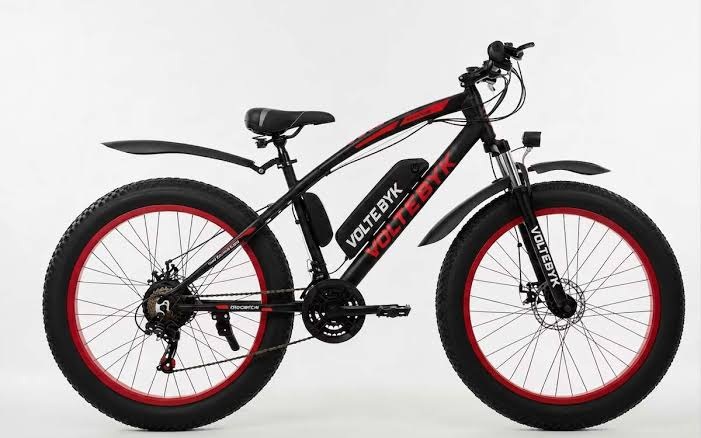
E-Bike Battery Technology 2026 (700Wh–960Wh packs)
E-Bike Battery Tech 2026: What the Shift to 700Wh–960Wh Packs Means for Riders
If you’ve shopped for an e-bike in the last year, you’ve probably noticed something: battery specs look a lot bigger than they used to. Packs that once maxed out around 500Wh are now routinely listed at 700Wh, 800Wh, even 960Wh. That’s not just marketing inflation — it reflects a real shift in cell technology, and it directly affects how far you can ride, how fast you can charge, and how much you’ll pay to replace a battery down the line.
Here’s what’s actually changed in 2026, and what it means before you buy.
Why E-Bike Batteries Got Bigger in 2026
The core driver is a cell upgrade. Most e-bikes built before 2024–2025 relied on 18650 cells (18mm x 65mm cylindrical cells). The industry has since moved to 21700 cells (21mm x 70mm), which pack roughly 20% more energy into a similar footprint. That extra volume means manufacturers can fit more capacity into the same frame space — or the same capacity into a smaller, lighter pack.
The practical result: many mid-to-high-end 2026 e-bikes now ship with 700Wh to 960Wh battery packs, up from the 400Wh–500Wh range that was standard just a couple of years ago.
700Wh vs. 960Wh: What’s the Real-World Difference?
Battery capacity math is straightforward once you know the formula:
Watt-hours (Wh) = Voltage (V) × Amp-hours (Ah)
So a 48V battery rated at 20Ah works out to 960Wh. A 48V 14.5Ah pack lands closer to 700Wh. The bigger number isn’t just a spec-sheet flex — it translates directly into range.
| Battery Capacity | Typical Voltage/Amp Setup | Estimated Real-World Range* |
|---|---|---|
| 400–500Wh | 48V / 10Ah | 20–35 miles |
| 700Wh | 48V / 14.5Ah | 35–55 miles |
| 800Wh | 48V / 16.7Ah | 45–65 miles |
| 960Wh | 48V / 20Ah | 50–80 miles |
*Range varies significantly based on terrain, rider weight, assist level, tire type, and temperature. Treat these as ballpark figures, not guarantees.
For context, a 48V/20Ah (960Wh) pack built with 21700 cells can push a full-suspension e-bike to roughly 65 miles on a single charge under normal conditions — a big jump from what 500Wh packs delivered just a few years ago.
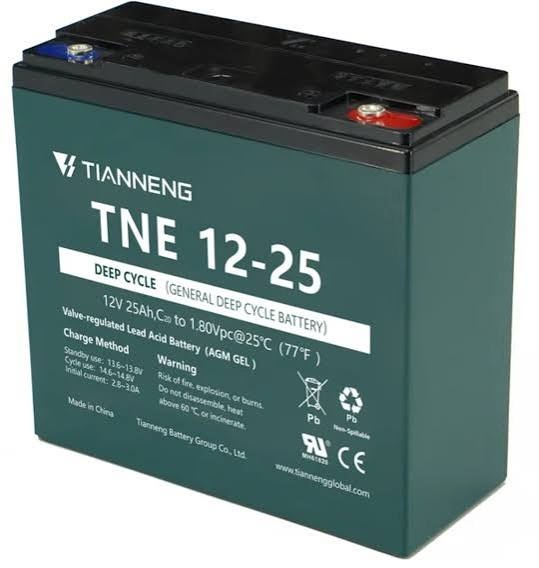
21700 vs. 18650 Cells: Why It Matters
| Feature | 18650 Cells | 21700 Cells |
|---|---|---|
| Size | 18mm x 65mm | 21mm x 70mm |
| Energy density | Lower | ~20% higher |
| Heat management | Runs warmer under load | Runs cooler |
| Common in | Older/budget e-bikes | 2025–2026 mid-to-premium models |
| Cycle longevity | Standard | Generally improved |
The bigger cell format doesn’t just mean more capacity — it also tends to run cooler under sustained load, which is part of why newer packs are seeing improved longevity as well as range.
For More Information Please Click Below:
- What Is a Smart E-Bike? A Beginner’s Guide.
- Electric Cargo Bikes 101: What They Are and Whether You Need.
- Smart E-Bike.
Solid-State and Semi-Solid-State Batteries: Hype or Near-Term Reality?
Solid-state battery tech made real headlines at CES 2026, with functional prototypes showing up from multiple manufacturers. The appeal is significant: solid-state cells promise higher energy density, much lower fire risk (no flammable liquid electrolyte), and potentially full charges in minutes instead of hours.
Where things actually stand for e-bike buyers in 2026:
- Semi-solid-state packs (a hybrid of solid and liquid electrolyte) are the more realistic near-term option, offering incremental gains in energy density, weight, and safety over standard lithium-ion — some premium manufacturers have already begun adopting semi-solid modules for next-generation models.
- Full solid-state batteries remain mostly at the prototype stage for e-bikes. Premium brands have demonstrated working units, but mass production at consumer-friendly prices isn’t expected until closer to the end of the decade due to current manufacturing costs.
Bottom line: don’t wait for solid-state before buying an e-bike. It’s a “watch this space for 2028–2029” story, not a 2026 buying consideration.
Fast-Charging: The Other Big 2026 Upgrade
Battery capacity isn’t the only thing that’s improved — charging speed has too. Older e-bikes typically needed 4 to 6 hours for a full charge. Some 2026 models now support rapid charging that reaches 80% capacity in roughly an hour, a meaningful upgrade for commuters and delivery riders who can’t afford long downtime.
A few things to know about fast charging:
- It’s usually tied to proprietary chargers — you generally can’t mix and match across brands.
- Frequent fast charging (above 1C rate) generates more heat and can accelerate battery degradation over time. If range isn’t urgent, a standard overnight charge is gentler on the pack.
- The 20–80% charging window is still the sweet spot for maximizing battery lifespan, even with fast-charge-capable packs.
Battery Safety: What Changed in 2026
Battery fires have been a real concern in the e-bike industry, and 2026 brought tighter regulation as a response. UL 2849 certification — a safety standard covering the electrical system, battery, and charger as a unit — is now a legal requirement for e-bike battery sales in markets like California, with other states expected to follow similar frameworks.
When shopping, look for:
- UL 2849 or UN 38.3 certification on the battery
- A visible, functioning Battery Management System (BMS) that regulates temperature and prevents overcharging
- Manufacturer-specific chargers rather than generic third-party ones
Battery Lifespan and Replacement Costs
Most e-bike batteries are rated for roughly 500 full charge cycles before capacity noticeably drops — typically translating to 2–4 years of regular use, depending on how the battery is charged and stored.
As for cost, battery pricing has been trending down. Industry pricing in 2026 sits in the range of roughly $108–$151 per kWh for cells, meaning a 960Wh capacity upgrade or replacement runs somewhere in the ballpark of $100–$150 in raw cell cost — though a full branded replacement pack with BMS and housing will cost more than that.
To extend battery life:
- Store at 40–80% charge if not riding for extended periods
- Avoid letting the battery sit fully depleted for long stretches
- Keep it away from extreme heat or cold when possible
- Stick to the manufacturer’s charger
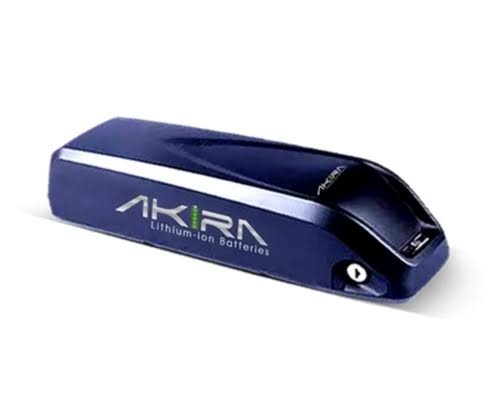
FAQ
What’s the average e-bike battery size in 2026? Mid-to-high-end e-bikes typically ship with 700Wh to 960Wh battery packs in 2026, up from the 400–500Wh range common a few years ago.
Is a bigger Wh battery always better? Not necessarily. Larger packs mean more range but also more weight and cost. A commuter riding 10 miles a day doesn’t need a 960Wh battery — a 400–500Wh pack may be lighter and more practical.
Are solid-state e-bike batteries available now? Not for consumer purchase in 2026. Prototypes exist, and semi-solid-state hybrids are starting to appear in premium models, but full solid-state mass production isn’t expected until closer to 2028–2029.
How long do e-bike batteries last? Most last around 500 full charge cycles, roughly 2–4 years of typical use, before capacity noticeably declines.
Is fast charging bad for e-bike batteries? Frequent fast charging can generate more heat and slightly accelerate wear compared to standard charging. It’s fine to use occasionally, but a regular overnight charge is gentler on long-term battery health.
Final Verdict
The jump to 700Wh–960Wh battery packs is the single biggest practical upgrade in e-bikes this year — it means real 50–80 mile ranges are now achievable on mid-range bikes, not just premium ones. If you’re buying in 2026, prioritize a battery with 21700 cells, UL 2849 certification, and a solid BMS over chasing solid-state hype that’s still a few years from your driveway. For most riders, a 700–800Wh pack hits the sweet spot of range, weight, and price — save the 960Wh+ packs for long-distance commuters or cargo riders who genuinely need the extra miles.