Best Lightweight/Carbon E-Bikes in 2026: Complete Guide
Best Lightweight/Carbon E-Bikes in 2026: Complete Guide
If you love cycling but dislike the bulk of a traditional electric bike, 2026 is an exciting year to shop. The best lightweight e-bikes now combine compact motors, integrated batteries, carbon frames, and sophisticated components to deliver electric assistance without making the bike feel like a motorcycle.
Some premium electric road bikes now weigh close to 10kg, while practical city models can stay below 20kg with larger batteries and useful everyday equipment. The important point is that there is no single “best” lightweight e-bike. A road cyclist, commuter, senior rider, and traveler can need completely different things.
In this guide, we’ll look at standout lightweight and carbon e-bikes for 2026, explain what makes them light, compare their strengths and weaknesses, and show you how to choose the right model for your riding style.
What Makes an E-Bike Lightweight?
A lightweight e-bike typically achieves its low weight by reducing mass in several areas rather than relying on one component.
The biggest contributors are:
- Carbon-fiber frames and forks
- Compact electric motors
- Smaller integrated batteries
- Lightweight wheels
- Premium drivetrain components
- Minimal racks, fenders, and accessories
- Efficient rather than extremely high-powered drive systems
For perspective, Canyon’s current Endurace: ONfly range includes a flagship model below 10kg, while Trek lists its Domane+ SLR at approximately 11.8kg depending on model.
That’s remarkably close to the weight of some non-electric performance bicycles.
However, lower weight usually involves compromises. A very light road e-bike may have a smaller battery than a heavier commuter. Similarly, an ultra-light carbon model may not have the rack mounts, suspension, wide tires, or cargo capacity that a city rider wants.
Best Lightweight E-Bikes in 2026
1. Canyon Endurace: ONfly CF 8 — Best Overall
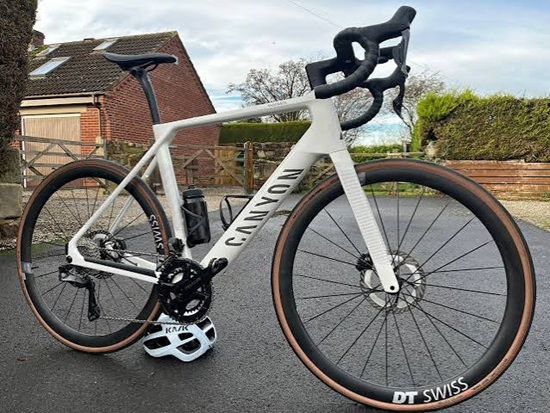
Approx. weight: 10.94kg
Frame: Carbon
Motor: TQ HPR40
Battery: 290Wh
Best for: Performance road cycling
The Canyon Endurace: ONfly CF 8 is one of the clearest examples of how far lightweight e-bike technology has progressed.
The current CF 8 weighs 10.94kg in size M, according to Canyon. It combines a carbon frame with a compact TQ HPR40 motor and a 290 Wh battery. Canyon also integrates features such as lighting, GPS tracking, top-tube mounts, and fender compatibility.
Its endurance-oriented geometry is another advantage. You get a road bike that is designed for long rides rather than simply chasing the lowest possible weight.
Pros
- Extremely low weight
- Carbon frame
- Natural-feeling assistance
- High-quality components
- Integrated technology
- Looks similar to a conventional road bike
Cons
- Premium price
- Smaller battery than many commuter e-bikes
- Better suited to paved roads than rough trails
Our pick for: Riders who want an electric road bike that still feels like a normal performance bicycle.
2. Trek Domane+ SLR — Best Lightweight Endurance E-Bike
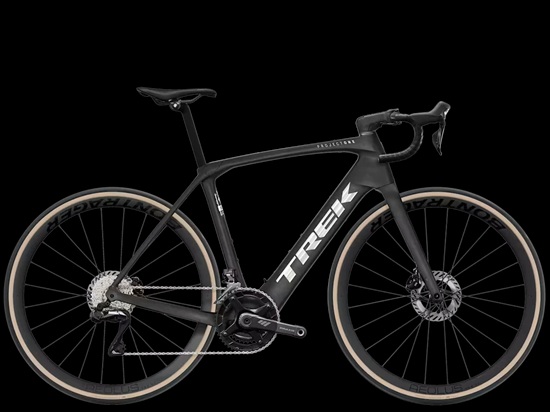
Approx. weight: Around 11.8kg
Frame: 800 Series OCLV Carbon
Motor: TQ HPR50
Battery: 360Wh
Best for: Long-distance road riding
The Trek Domane+ SLR takes the lightweight carbon concept and adds a larger 360Wh battery.
Trek currently lists the Domane+ SLR family at approximately 11.8kg, depending on configuration. It uses the TQ HPR50 system, with 50Nm of torque and a compact design that keeps the motor visually integrated into the frame.
Trek also claims roughly 60 miles of range in Eco mode, with up to around 90 miles when using its range extender, although real-world range depends heavily on terrain, rider weight, weather, and assistance level.
Why it’s a great choice
The Domane+ SLR is particularly attractive for cyclists who want assistance on climbs and longer rides without accepting the handling characteristics of a heavy e-bike.
Best for: Endurance cyclists, road riders, and people who want premium carbon construction with discreet electric assistance.
3. LOOK E-765 — Best Carbon E-Bike for Comfort
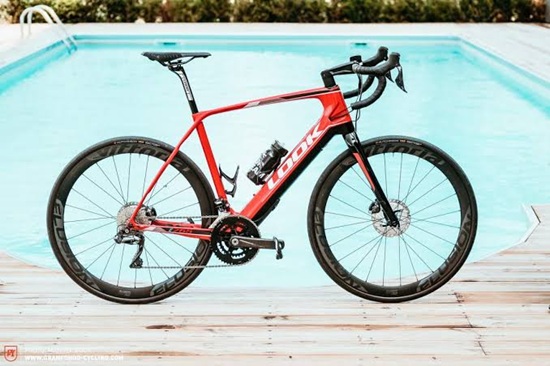
Approx. Weight: 12.8kg for the current Optimum configuration
Frame: High-modulus carbon
Motor: Fazua Ride 60
Battery: 430Wh
Best for: Road and endurance riding
The LOOK E-765 is an excellent example of a lightweight e-bike that doesn’t sacrifice battery capacity simply to achieve a low scale number.
LOOK lists the current E-765 Optimum at approximately 12.8kg in size M, while the E-765 Gravel is around 13.7kg. Both use a carbon frame and Fazua Ride 60 drive system.
The Ride 60 provides up to 60Nm of torque, while the integrated 430Wh battery gives the bike considerably more energy capacity than some ultra-light e-road alternatives. LOOK quotes an average assisted range of approximately 120km under its stated conditions.
Best features
- Lightweight carbon frame
- 430Wh integrated battery
- 60Nm motor
- Road and gravel versions
- Comfortable endurance-oriented design
- Excellent balance between weight and range
Best for: Riders who want one of the best lightweight electric bikes without going to an ultra-small battery.
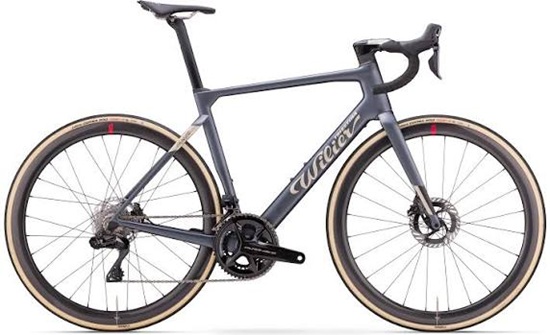
4. Wilier Filante Hybrid — Best Premium Italian Carbon E-Bike
Frame: Carbon monocoque
Motor: Mahle X20
Best for: Performance road cycling
The Wilier Filante Hybrid is aimed at riders who want an electric road bike with the appearance and riding character of a high-end racing machine.
For the 2026 range, Wilier lists a carbon monocoque frame with an approximately 1,100g frame weight and the Mahle X20 drive system rated at 55Nm. The Filante Hybrid starts at €7,300 in the manufacturer’s current range information.
The focus here is clearly performance rather than utility.
There is no bulky rear rack, oversized battery enclosure, or heavy suspension system. Instead, Wilier emphasizes clean integration and low weight.
Best for: Experienced road cyclists looking for a premium Italian carbon e-bike.
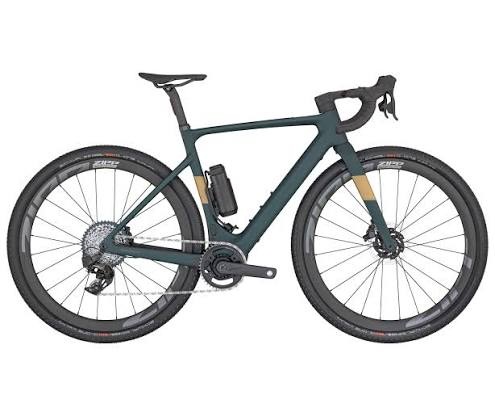
5. Scott Solace Gravel eRIDE 10 — Best Lightweight Gravel E-Bike
Approx. weight: 12.56kg
Frame: Carbon
Motor: TQ HPR50
Battery: 360Wh
Best for: Gravel and mixed-surface riding
Want a lightweight e-bike that can leave the pavement?
The Scott Solace Gravel eRIDE 10 weighs approximately 12.56kg with tubes, according to Scott. It uses a carbon frame, TQ HPR50 motor, 360Wh battery, and 700x50C gravel tires.
The wide tires make the low weight particularly impressive because gravel equipment can quickly add mass.
It also has a maximum system weight of 120kg, which includes the bike, rider, equipment, and luggage.
Best for
- Gravel roads
- Long mixed-surface rides
- Light bikepacking
- Riders who want more tire clearance
- Off-pavement adventures
If you want the best lightweight electric bicycle for gravel, this is one of the strongest premium options to investigate.
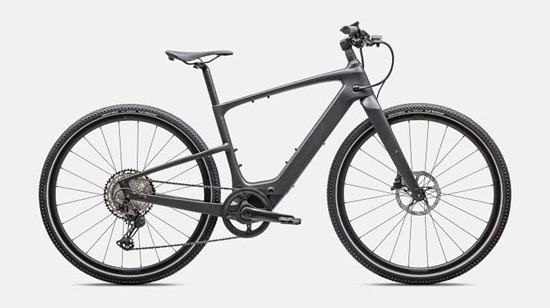
6. Specialized Turbo Vado SL 2 6.0 Carbon — Best Lightweight Commuter
Approx. weight: 16.32kg
Frame: Carbon
Best for: Commuting and fitness
Not everyone wants a racing-style e-bike.
The Specialized Turbo Vado SL 2 6.0 Carbon is more practical for everyday transportation while remaining surprisingly light. Specialized lists a medium size at 16.32kg.
That makes it considerably easier to transport than many fully equipped commuter e-bikes.
It also brings features designed for everyday riding rather than pure racing performance, including integrated lights and practical mounting options.
Why we like it
The Vado SL 2 Carbon sits in the sweet spot between an ultra-light road bike and a traditional commuter.
You get:
- Low weight
- Carbon construction
- Comfortable geometry
- Integrated lighting
- Everyday versatility
- Electric assistance without excessive bulk
Best for: Fitness riders, commuters, and people who want one bike for multiple everyday purposes.
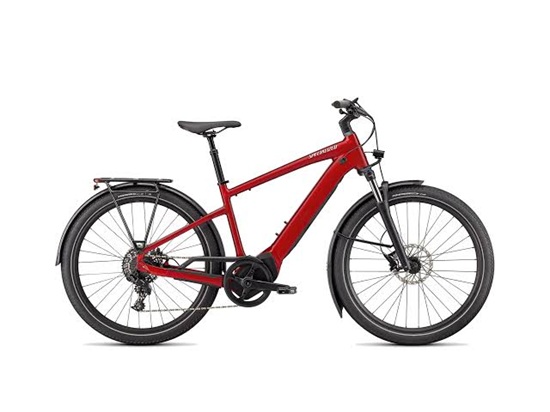
7. Specialized Turbo Vado SL 2 Step-Through — Best for Seniors
Approx. weight: 18.75kg
Frame: Lightweight construction
Best for: Seniors and easy-access commuting
When choosing the best lightweight e-bike for seniors, weight isn’t the only consideration.
A 12kg carbon racing bike might be wonderfully light, but its riding position and high top tube may not be suitable for an older rider.
The Specialized Turbo Vado SL 2 4.0 Step-Through weighs 18.75kg in size M, according to Specialized.
Its step-through design makes mounting and dismounting easier, while the more upright geometry is better suited to relaxed urban riding.
Look for these features in a senior-friendly e-bike
- Step-through frame
- Easy-to-use controls
- Comfortable saddle
- Stable tires
- Strong hydraulic brakes
- Upright riding position
- Moderate motor assistance
- Easy battery charging
For seniors, confidence and accessibility are often more valuable than saving the final 2–3kg.
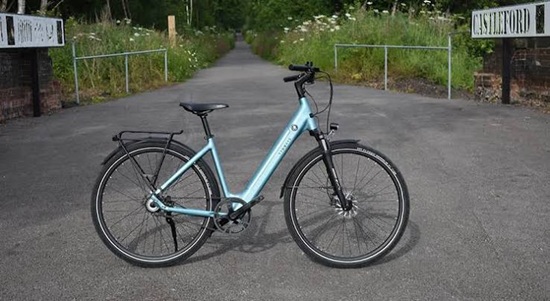
8. Tenways CGO800S — Best Practical Lightweight City E-Bike
Net weight: 19kg
Frame: 6061 aluminum
Battery: 460.8Wh
Best for: City commuting
If carbon is outside your budget, don’t assume you need to give up on lightweight design.
The Tenways CGO800S has a 6061 aluminum frame and a 19kg net weight with the battery included, although its fully equipped weight rises to 23kg when accessories such as the rack, pedals, mudguards, and kickstand are included.
That distinction is extremely important when comparing the best lightweight e-bikes.
A manufacturer may quote the bike without accessories, while another brand may publish a ready-to-ride weight.
Best for
- Urban commuting
- Flat-city routes
- Riders who want a belt drive
- People who don’t need a carbon frame
- Buyers prioritizing practicality
Lightweight E-Bike Comparison
| Model | Approx. Weight | Frame | Motor | Best For |
|---|---|---|---|---|
| Canyon Endurace: ONfly CF 8 | 10.94kg | Carbon | TQ HPR40 | Road performance |
| Trek Domane+ SLR | ~11.8kg | Carbon | TQ HPR50 | Endurance |
| LOOK E-765 Optimum | 12.8kg | Carbon | Fazua Ride 60 | Road comfort |
| Scott Solace Gravel eRIDE 10 | 12.56kg | Carbon | TQ HPR50 | Gravel |
| Wilier Filante Hybrid | Lightweight build | Carbon | Mahle X20 | Premium road |
| Specialized Vado SL 2 Carbon | 16.32kg | Carbon | Specialized SL system | Commuting |
| Specialized Vado SL Step-Through | 18.75kg | Lightweight | Specialized SL system | Seniors |
| Tenways CGO800S | 19kg net | Aluminum | Rear hub | City riding |
Note: Manufacturer weights can vary by frame size, paint, components, pedals, tires, and accessories. Always check the exact configuration before purchasing.
Carbon vs Aluminum: Which Is Better?
It is often associated with the best lightweight e-bikes, but aluminum remains an excellent option.
Carbon advantages
- Excellent strength-to-weight ratio
- Very low frame weight
- Premium ride characteristics
- Excellent vibration management
- High-end appearance
- Allows manufacturers to create highly integrated designs
Aluminum advantages
- Usually more affordable
- Durable for everyday use
- Easier to manufacture
- Excellent for commuter bikes
- Often more practical for utility-focused designs
If your priority is achieving the lowest possible weight, carbon usually has the advantage.
If you’re buying a daily commuter that will spend its life locked outside, carrying luggage, and dealing with potholes, an aluminum bike can make more financial sense.
Why Are Lightweight E-Bikes So Expensive?
One of the first surprises buyers encounter is the price.
An e-bike weighing 12kg can cost considerably more than a 25kg model.
That’s because reducing weight without compromising performance requires expensive engineering and components.
The cost can come from:
- Carbon-fiber manufacturing
- Lightweight wheels
- Premium drivetrains
- Compact motor systems
- Integrated batteries
- Custom frame engineering
- High-end electronic components
In other words, you’re not simply paying for fewer kilograms.
You’re paying for the engineering required to remove those kilograms while maintaining stiffness, reliability, comfort, and safety.
How Much Battery Does a Lightweight E-Bike Need?
This is one of the biggest decisions you’ll make.
A smaller battery can dramatically reduce weight, but it also reduces the amount of energy available for assisted riding.
For example, the Canyon Endurace: ONfly CF 8 uses a 290Wh battery, while the Trek Domane+ SLR uses 360Wh and the LOOK E-765 uses 430Wh.
Think about your typical ride.
Choose a smaller battery if:
- You ride 20–40km regularly
- You don’t use maximum assistance constantly
- You ride mostly flat terrain
- You can recharge at home
- Low weight is your top priority
Choose a larger battery if:
- You regularly ride long distances
- You live in a hilly area
- You use higher assistance levels
- You carry luggage
- Charging isn’t always convenient
Expert tip: Don’t automatically choose the largest battery. Carrying an extra kilogram or two every day isn’t worthwhile if you rarely use the additional capacity.
Are Lightweight E-Bikes Good for Seniors?
Yes, but the right design matters more than the lowest weight.
For older riders, the best lightweight e-bikes for seniors should combine manageable weight with easy handling and accessibility.
A step-through frame can be particularly helpful because there is less need to swing a leg over a high top tube.
Also consider:
Braking
Hydraulic disc brakes can provide strong, controlled stopping performance, particularly when riding on wet roads or downhill.
Tires
Extremely narrow performance tires aren’t necessarily ideal for every senior rider. Slightly wider tires can provide additional comfort and confidence.
Riding position
A moderately upright position can be easier on the back, neck, and wrists than an aggressive road-bike posture.
Controls
Look for controls that are easy to see and operate without taking unnecessary attention away from the road.
What About Lightweight Folding E-Bikes?
The best lightweight folding e-bike has a different purpose from a carbon road e-bike.
For folding bikes, portability depends on more than the scale weight.
Consider:
- Folded dimensions
- Carrying handle
- Battery removal
- Wheel size
- Folding mechanism
- Whether it fits your car or public transport
- How easily you can lift it
A 16kg folding bike that becomes extremely compact can be more useful for apartment living than a 13kg road e-bike that cannot fold.
This is why folding e-bikes should be evaluated as a separate category rather than simply ranking them by weight.
How to Choose the Best Lightweight E-Bike
Before spending thousands of dollars, follow this simple process.
1. Decide where you’ll ride
Choose between:
- Road
- Gravel
- City
- Mixed terrain
- Recreation
- Travel
Your riding environment should determine the bike type before weight becomes the deciding factor.
2. Set your maximum weight
For example:
- Under 12kg: ultra-light
- 12–15kg: exceptionally light
- 15–18kg: very light and versatile
- 18–20kg: lightweight for practical e-bikes
These aren’t official industry classifications—just useful shopping categories.
3. Decide how much assistance you need
A compact motor is ideal if you mainly want help on hills.
If you’re looking for motorcycle-like acceleration or heavy cargo capability, you’ll generally need to accept more weight.
4. Check the real battery weight
Don’t compare battery capacity alone.
A large battery may offer excellent range, but it contributes to total bike weight.
5. Check the complete-bike weight
This is critical.
A bike listed at 19kg without accessories isn’t necessarily a 19kg bike in everyday use. Tenways, for example, lists the CGO800S at 19kg net but 23kg with its included accessories.
6. Check maximum system weight
System weight normally includes the rider, bike, luggage, and equipment.
Scott, for example, lists a 120kg maximum system weight for the Solace Gravel eRIDE 10.
7. Test the bike if possible
A bike can look perfect on paper and feel completely wrong in person.
Pay attention to:
- Reach
- Saddle position
- Handlebar width
- Steering
- Braking
- Motor response
- Getting on and off
- Carrying the bike
Lightweight E-Bikes: Pros and Cons
Advantages
- Easier to carry
- Easier to transport
- More natural handling
- Often faster-feeling
- Better when riding without assistance
- Easier to store
- Usually more discreet
- Excellent for road cycling
Disadvantages
- Usually more expensive
- Smaller batteries are common
- Less suitable for heavy cargo
- Fewer utility features
- Premium carbon components can be expensive to replace
- Some models prioritize performance over comfort
Final Verdict
The market for best lightweight e-bikes has changed dramatically. You no longer have to choose between a heavy electric bicycle and a lightweight conventional bike.
For maximum performance and exceptionally low weight, the Canyon Endurace:ONfly CF 8 is a standout at 10.94kg.
The Trek Domane+ SLR is an excellent alternative for endurance riders who want a larger 360Wh battery while keeping the bike around the 12kg mark.
The riders who want a combination of low weight and greater battery capacity, the LOOK E-765 is particularly interesting, with its approximate weight of 12.8 kg and 430Wh battery.
For gravel, the Scott Solace Gravel eRIDE 10 delivers a compelling combination of carbon construction, wide tires, and a 12.56kg approximate weight.
For everyday riders, the Specialized Turbo Vado SL 2 Carbon offers a more practical balance between lightweight performance and commuting usability. And for seniors, the Turbo Vado SL 2 Step-Through makes more sense because accessibility and confidence matter as much as weight.
Ultimately, the best lightweight electric bicycle is the one that matches your terrain, fitness level, carrying needs, battery expectations, and budget. Don’t buy the lightest e-bike simply because it has the smallest number on the scale. Buy the one whose weight and features make your everyday riding easier, more enjoyable, and more sustainable.