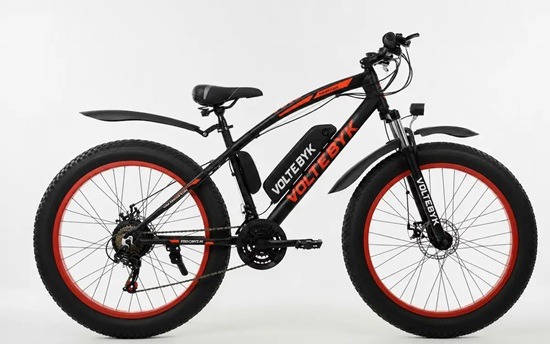
Long Range Electric Bike: How Far Can You Really Go?
Long-Range Electric Bike: How Far Can You Really Go?
“Up to 100 miles on a single charge.” You’ve seen that number on a dozen e-bike listings. What the spec sheet doesn’t tell you is that “up to” does a lot of heavy lifting. A long-range electric bike advertised at 100 miles might genuinely deliver 50-60 on the kind of ride you’ll actually take it on.
This isn’t a scam, exactly — it’s just how the industry measures range, and almost every brand does it the same way. This guide breaks down how advertised range is actually calculated, what real-world numbers to expect, what quietly eats into your mileage, and how to choose a genuinely long-range e-bike without getting fooled by a best-case number on a box.
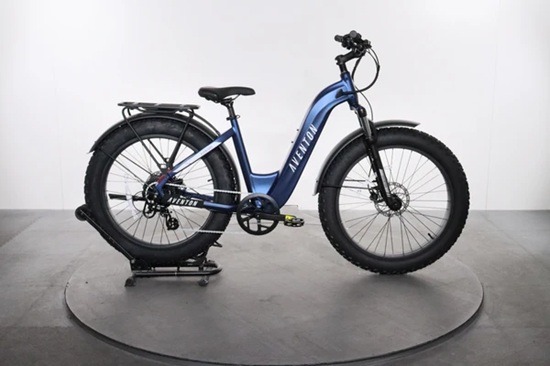
Why Advertised Range Almost Never Matches Reality
Manufacturers aren’t lying when they list a range figure — they’re just testing under the most favorable conditions possible. Most range claims are measured in the lowest pedal-assist setting, on flat ground, with a lightweight rider, no wind, and moderate temperatures.
That’s a real number. It’s just not a number most people will ever hit on an actual ride.
Independent testing outlets that run their own range tests consistently find real-world mileage comes in 30-50% below the advertised maximum. So an e-bike listed at 80 miles realistically delivers somewhere in the 40-55 mile range for most riders in everyday conditions — still solid distance, just not the headline number.
What Actually Determines E-Bike Range
Before comparing models, it helps to understand what the number on the box actually depends on.
Battery Capacity (Watt-Hours) Is the Real Driver
Watt-hours (Wh), not motor wattage, is the strongest predictor of range. As a rough rule of thumb, e-bikes use somewhere around 10-20 Wh per mile depending on conditions, meaning a 720Wh battery might realistically deliver anywhere from roughly 35 to 70+ miles depending on how hard you lean on the motor.
| Battery Capacity | Typical Use Case | Realistic Range |
|---|---|---|
| 360-500Wh | Entry-level commuter | 20-40 miles |
| 500-720Wh | Mid-range daily rider | 35-60 miles |
| 720-1,200Wh | Long-range touring/commuting | 60-100+ miles |
| Dual/triple battery systems | Extended touring | 100-200+ miles |
Assist Level Changes Everything
This is the single biggest lever most riders don’t think about. A 500Wh battery might deliver 65+ miles in Eco mode but drop to just 20-25 miles under continuous high-power assist — meaning your choice of assist level alone can double or triple your real range.
Rider Weight
Heavier riders ask the motor to work harder, which drains the battery faster. Testing generally shows riders in the 200+ lb range can see 15-30% less range than lighter riders on the same bike and setting.
Terrain and Hills
Flat ground is where advertised numbers come from. Real hills change everything — climbing can cut range by 20-50% compared to flat-road testing, depending on grade and how much climbing is involved.
Wind, Temperature, and Tire Pressure
Headwinds, cold weather, and underinflated tires all quietly reduce range, sometimes significantly. Cold battery chemistry alone can meaningfully reduce usable capacity compared to mild-weather riding.
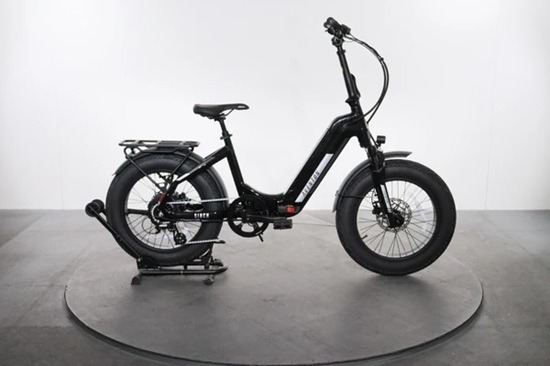
What Actually Counts as a “Long-Range” E-Bike in 2026
“Long-range” isn’t an official spec — it’s a marketing label — but a reasonable working definition in 2026 is a bike that delivers 60-100+ miles under realistic, mixed-use conditions, not just on the spec sheet.
Using that standard, here’s roughly how the categories break down:
- Standard e-bikes: 25-40 miles real-world range
- Long-range e-bikes: 60-100 miles real-world range
- Extended/touring e-bikes (dual battery): 100-150+ miles real-world range
If a listing advertises “100+ miles” but doesn’t specify battery capacity in watt-hours, treat that number skeptically — it’s likely measured in the lowest assist setting under ideal conditions.
Real-World Long-Range E-Bike Examples
A few patterns worth knowing from current long-range models on the market:
- Bikes built around 700-750Wh packs (a capacity point used by several well-known long-range commuters) tend to land in the 50-65 mile real-world range for mixed commuting use, even though advertised maximums often sit higher.
- Bikes offering dual-battery configurations — essentially doubling total watt-hour capacity — are the most reliable way to meaningfully extend real range beyond what a single pack can offer, often pushing realistic range past 80-100 miles.
- Efficient mid-drive motor systems (like Bosch or Shimano setups) can sometimes out-range a heavier hub-motor bike with a technically larger battery, because the motor itself wastes less energy per mile.
The takeaway: battery size matters, but motor efficiency and how you actually ride matter just as much.
How to Increase Your E-Bike’s Battery Range
A few practical habits can meaningfully extend how far you get on a charge:
- Ride in a lower assist mode when you don’t need full power — this is the single biggest lever available to most riders
- Keep tires properly inflated — underinflated tires increase rolling resistance and drain the battery faster
- Reduce unnecessary weight — cargo, accessories, and extra gear all add load the motor has to move
- Pedal actively rather than relying entirely on throttle — even light pedaling meaningfully extends range on pedal-assist systems
- Avoid charging or storing the battery in extreme cold — cold temperatures reduce both available range and long-term battery health
- Maintain a steady cruising speed — frequent hard acceleration and braking wastes energy compared to smooth, consistent riding
Does Higher Wattage Mean Longer Range?
Not necessarily, and this trips up a lot of buyers. A higher-wattage motor means more power and faster acceleration, not automatically more range. In fact, more power often means the battery drains faster if you actually use that power regularly. Efficient power delivery and smart torque management often matter more for range than raw peak wattage.
Electric Bike Range Anxiety: Is It a Real Concern?
Range anxiety — the worry about running out of battery mid-ride — is a legitimate concern, but it’s manageable with a bit of planning:
- Know your realistic range, not the advertised one. Plan routes around the 60-70% figure, not the marketing maximum.
- Carry a charging plan for longer rides. Portable chargers or known charging stops matter more for distance touring than squeezing out a few extra advertised miles.
- Use a higher assist buffer than you think you need. It’s easier to downshift assist mid-ride than to run out of charge with miles left to go.
- Consider a dual-battery setup if range anxiety is a recurring issue for your specific commute or riding pattern — it’s a more reliable fix than chasing a slightly bigger single-pack number.
Long-Distance Electric Bike Touring: What Changes
If you’re planning genuine multi-hour or multi-day touring rather than daily commuting, a few extra considerations matter:
- Dual or swappable battery systems become far more valuable than single large packs, since you can carry a spare rather than relying on mid-ride charging access
- Route planning around charging access matters as much as the bike’s spec sheet — know where you can realistically top up
- Comfort and ergonomics start to matter as much as range once you’re riding for multiple hours at a stretch, since fatigue affects how efficiently (and how far) you actually ride
Final Thoughts: How Far Can You Really Go?
The honest answer: expect 60-70% of whatever number is on the listing, not the headline figure itself. A bike advertised at 100 miles will realistically deliver somewhere around 60-70 miles for most riders in everyday mixed conditions — still a genuinely long-range bike, just not quite the number on the box.
Rather than chasing the highest advertised mileage you can find, focus on actual watt-hour capacity, motor efficiency, and your real riding conditions — hills, weight, assist habits, and climate. A 720Wh battery on an efficient mid-drive system will likely serve you better in practice than a bigger-sounding number attached to a less efficient setup. Buy for your real rides, not the best-case number on the spec sheet, and a genuinely long-range electric bike will deliver exactly what you need.