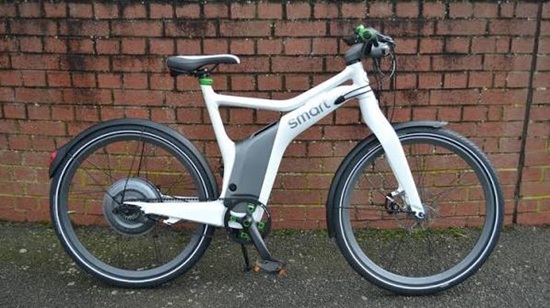
Smart E-Bike vs Regular E-Bike: Which Is Better?
Smart E-Bike vs Regular E-Bike: Which Is Better?
Electric bikes have transformed the way people commute, exercise, and explore. Whether you’re navigating busy city streets, riding through scenic countryside, or looking for an eco-friendly alternative to driving, e-bikes make cycling easier and more enjoyable.
As the industry continues to evolve, buyers now face an important decision: Smart E-Bike vs Regular E-Bike. While both provide electric pedal assistance, they differ significantly in technology, connectivity, convenience, and overall riding experience.
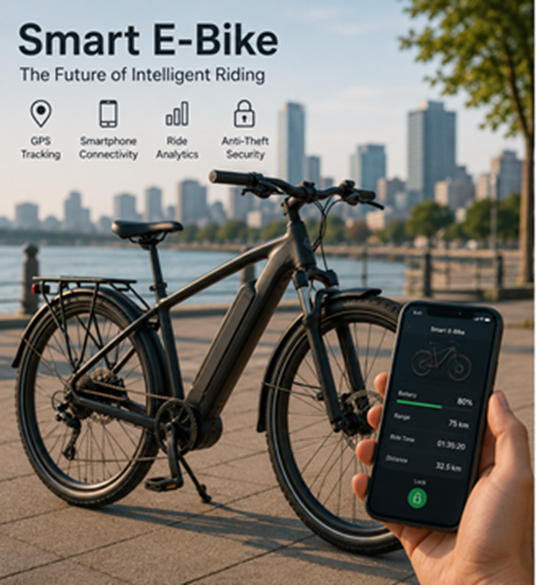
A regular e-bike focuses on delivering reliable motor assistance and battery-powered performance. A smart e-bike goes a step further by integrating advanced technologies such as GPS navigation, smartphone connectivity, ride analytics, anti-theft protection, and intelligent software updates.
So, which option is better?
The answer depends on your riding habits, budget, and the features you value most. In this guide, we’ll compare Smart E-Bikes and Regular E-Bikes in detail to help you make an informed buying decision.
What Is a Smart E-Bike?
A Smart E-Bike is an electric bicycle equipped with intelligent technologies that enhance safety, convenience, and overall performance.
Instead of functioning as a standalone electric bike, it connects with smartphones, cloud services, GPS satellites, and digital sensors to deliver a more personalized riding experience.
Most Smart E-Bikes offer features such as:
- Smartphone app integration
- GPS navigation and tracking
- Ride analytics
- Remote locking
- Anti-theft alerts
- Battery diagnostics
- Automatic software updates
- Custom riding modes
Think of it as the difference between a traditional mobile phone and a smartphone. Both perform the same primary function, but one offers significantly more capabilities through software and connectivity.
What Is a Regular E-Bike?
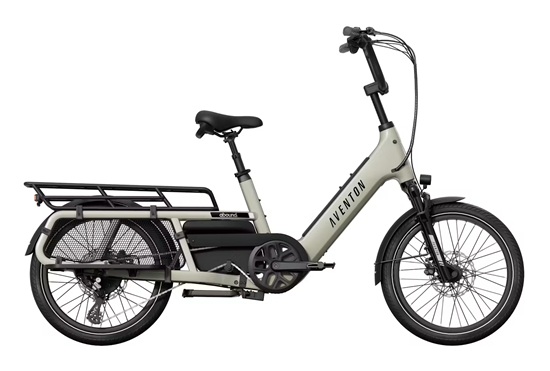
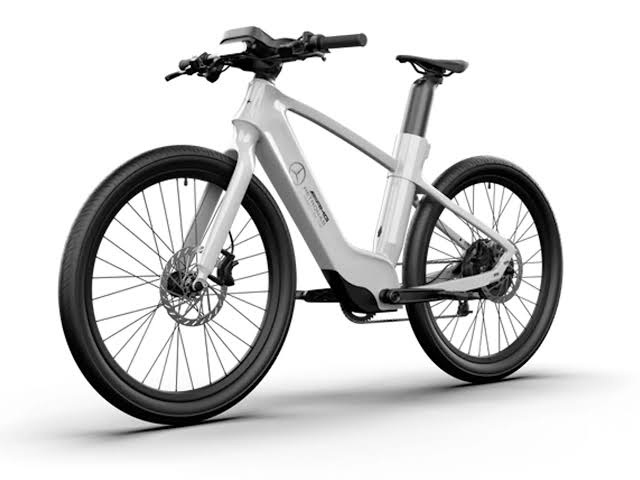
A Regular E-Bike is an electric bicycle that provides pedal assistance through an electric motor and rechargeable battery.
Its primary purpose is to make cycling easier by reducing the effort required for acceleration, climbing hills, and traveling longer distances.
A regular e-bike generally includes:
- Electric motor
- Rechargeable battery
- Display screen
- Pedal assistance
- Basic riding modes
Unlike smart models, most regular e-bikes do not connect to mobile apps or provide advanced digital features.
For many riders, this simplicity is actually an advantage because there’s less technology to manage.
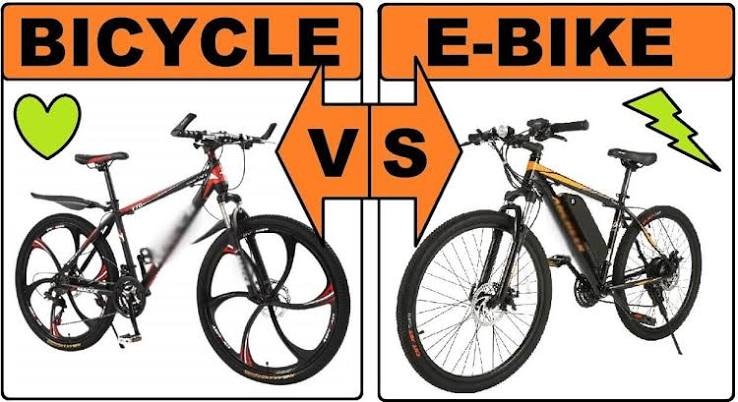
Smart E-Bike vs Regular E-Bike: Quick Comparison
Before diving deeper, here’s an overview of the main differences.
| Feature | Smart E-Bike | Regular E-Bike |
|---|---|---|
| Electric Assistance | ✔ | ✔ |
| Smartphone App | ✔ | Usually No |
| GPS Navigation | ✔ | Rare |
| Ride Analytics | Advanced | Basic |
| Software Updates | ✔ | No |
| Anti-Theft Tracking | ✔ | Limited |
| Remote Locking | ✔ | No |
| Battery Monitoring | Advanced | Basic |
| Connectivity | Bluetooth / Wi-Fi | Usually None |
| Purchase Price | Higher | Lower |
Although both bikes serve the same fundamental purpose, the overall ownership experience can be quite different.
Technology: The Biggest Difference
Technology is where Smart E-Bikes clearly separate themselves from traditional models.
Smart E-Bike Technology
Modern Smart E-Bikes combine hardware and software to create an intelligent riding system.
They use:
- GPS modules
- Bluetooth
- Wi-Fi connectivity
- Cloud synchronization
- Torque sensors
- Speed sensors
- Motion sensors
- Artificial Intelligence (AI)
- Mobile applications
These technologies work together to optimize battery usage, improve motor assistance, enhance security, and provide valuable riding insights.
For example, some Smart E-Bikes automatically increase motor assistance when climbing steep hills and reduce power on flat roads to conserve battery life.
Others can detect unusual movement and immediately send theft alerts to your smartphone.
Regular E-Bike Technology
Regular e-bikes focus on reliable mechanical performance rather than digital intelligence.
Their technology is usually limited to:
- Electric motor
- Battery
- Basic controller
- LCD display
- Pedal assist system
While they lack connected features, regular e-bikes remain dependable, easy to operate, and suitable for everyday riding.
Riding Performance Comparison
Both Smart E-Bikes and Regular E-Bikes provide electric assistance, but their riding experiences differ in several important ways.
Smart E-Bike Performance
Smart E-Bikes continuously analyze riding conditions using built-in sensors.
They automatically adjust motor output based on factors such as:
- Pedaling force
- Road incline
- Rider speed
- Selected riding mode
- Battery condition
This creates smoother acceleration and a more natural riding feel.
Instead of manually switching assistance levels throughout your ride, the bike often makes these adjustments for you.
Regular E-Bike Performance
Regular e-bikes typically rely on manually selected assistance levels.
For example:
- Eco Mode
- Tour Mode
- Sport Mode
- Turbo Mode
The rider decides when to switch between modes depending on terrain or desired effort.
Although this approach works well, it requires more interaction compared to the automated systems found on Smart E-Bikes.
Battery and Motor Comparison
The battery and motor are the heart of every electric bicycle.
Let’s compare how they differ.
Smart E-Bike Battery System
Smart E-Bikes include intelligent Battery Management Systems (BMS) that monitor battery performance in real time.
The system tracks:
- Battery temperature
- Charging cycles
- Remaining capacity
- Estimated range
- Cell health
Many companion apps even notify riders when charging habits could reduce battery lifespan.
Some premium models calculate remaining range by considering:
- Terrain
- Rider weight
- Wind conditions
- Historical riding patterns
- Assistance level
This results in far more accurate battery predictions.
Regular E-Bike Battery System
Regular e-bikes generally provide basic battery information through the handlebar display.
Typical information includes:
- Battery percentage
- Charging status
- Remaining power bars
Although sufficient for most riders, they lack advanced diagnostics and predictive range calculations.
Motor Performance
Motor technology has also evolved considerably.
Smart E-Bike Motors
Modern Smart E-Bike motors communicate continuously with sensors and controllers.
Benefits include:
- Faster response
- Smooth acceleration
- Better hill climbing
- Improved energy efficiency
- Reduced battery consumption
Motor output adapts dynamically throughout every ride.
Regular E-Bike Motors
Regular motors provide dependable assistance but usually operate according to the assistance level selected by the rider.
While they remain highly effective for commuting and recreation, they don’t respond as intelligently to changing riding conditions.
User Experience and Convenience
One area where Smart E-Bikes truly shine is overall convenience.
Smart E-Bike Experience
Through a dedicated smartphone app, riders can:
- View detailed ride history
- Monitor battery health
- Receive maintenance reminders
- Update firmware
- Track bike location
- Customize assistance settings
- Lock or unlock the bike remotely
These features make ownership more interactive and personalized.
Regular E-Bike Experience
Regular e-bikes offer a simpler ownership experience.
Most interactions occur directly through the bike’s display.
Advantages include:
- Easy operation
- Minimal setup
- Fewer electronic systems
- Less dependence on mobile apps
For riders who prefer straightforward technology, this simplicity can be a significant benefit.
Security Features Compared
Security is becoming increasingly important as electric bikes grow in popularity.
Smart E-Bike Security
Many Smart E-Bikes include multiple layers of protection, including:
- GPS tracking
- Motion detection
- Remote locking
- Theft notifications
- Digital alarms
- Ride authentication
If someone attempts to move the bike without authorization, the owner can receive an instant notification through the companion app.
These features provide added peace of mind, particularly in urban areas where bike theft is a common concern.
Cost Comparison
Price is one of the first factors most buyers consider when comparing a Smart E-Bike with a Regular E-Bike. While both can save money on fuel and transportation over time, their upfront costs differ significantly.
Smart E-Bike Cost
Smart E-Bikes generally come with a higher price tag because they include advanced hardware and software features.
The additional cost often covers:
- GPS tracking
- Smartphone connectivity
- Intelligent battery management
- Ride analytics
- Anti-theft systems
- Wireless software updates
- Premium displays and sensors
Although the initial investment is higher, many riders find these features improve convenience, security, and long-term ownership.
Regular E-Bike Cost
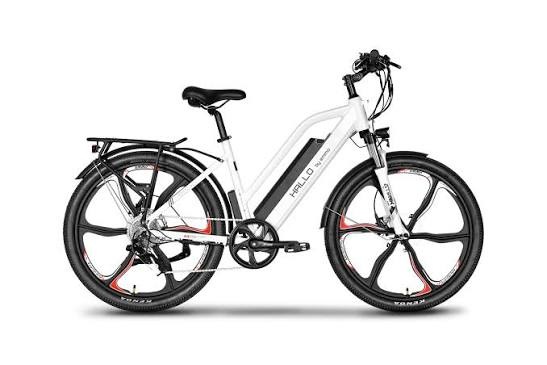
Regular E-Bikes are typically more affordable, making them a great choice for first-time buyers or riders with a limited budget.
They focus on delivering dependable electric assistance without the added expense of connected technologies.
If your priority is simply getting from one place to another with less pedaling effort, a regular e-bike may provide excellent value.
Maintenance Comparison
Every electric bike requires routine maintenance, but Smart E-Bikes introduce a few additional considerations.
Maintaining a Smart E-Bike
In addition to standard bicycle care, Smart E-Bikes may require:
- Firmware updates
- Mobile app updates
- Battery diagnostics
- Sensor calibration
- Connectivity troubleshooting
Fortunately, many smart systems notify you when maintenance is needed, helping prevent small issues from becoming costly repairs.
Routine care should include:
- Keeping the battery charged properly.
- Cleaning the drivetrain regularly.
- Inspecting brakes and tires.
- Updating software when new versions are available.
More Useful Links:
Maintaining a Regular E-Bike
Regular E-Bikes have fewer electronic components, making maintenance more straightforward.
Typical tasks include:
- Lubricating the chain.
- Checking tire pressure.
- Adjusting brakes and gears.
- Charging the battery.
- Inspecting electrical connections.
For riders who prefer simplicity, this lower maintenance complexity can be a significant advantage.
Pros and Cons
Every type of e-bike has strengths and limitations.
Smart E-Bike Pros
- Advanced GPS navigation.
- Smartphone app integration.
- Real-time ride analytics.
- Intelligent battery management.
- Strong anti-theft features.
- Automatic software updates.
- Personalized riding experience.
- Higher resale appeal in many markets.
Smart E-Bike Cons
- Higher purchase price.
- More electronic systems to manage.
- Greater dependence on software.
- Some advanced features may require internet connectivity.
Regular E-Bike Pros
- Lower upfront cost.
- Easy to operate.
- Reliable pedal assistance.
- Less complicated maintenance.
- Fewer electronic components.
- Ideal for riders who prefer simplicity.
Regular E-Bike Cons
- Limited smart features.
- Basic security options.
- No advanced ride analytics.
- Manual adjustment of assistance levels.
- Limited software support.
Which Bike Is Better for Different Riders?
The best choice depends on how you plan to use your e-bike.
Best for Daily Commuters
Choose a Smart E-Bike if you:
- Ride to work every day.
- Need GPS navigation.
- Want theft protection.
- Appreciate battery monitoring.
- Prefer intelligent route tracking.
Its connected features make daily commuting more convenient and secure.
Best for Casual Riders
A Regular E-Bike may be sufficient if you:
- Ride occasionally.
- Stay close to home.
- Want a lower purchase price.
- Prefer straightforward controls.
If advanced technology isn’t important, a regular model offers excellent value.
Best for Fitness Enthusiasts
Smart E-Bikes are particularly attractive for riders who enjoy tracking progress.
Ride analytics can measure:
- Distance covered.
- Average speed.
- Elevation gained.
- Calories burned.
- Ride duration.
These insights help riders set goals and monitor improvement over time.
Best for Travelers and Explorers
If you enjoy discovering new routes, a Smart E-Bike provides valuable tools such as:
- Turn-by-turn navigation.
- Route recording.
- Live GPS location.
- Battery range estimation.
- Location sharing.
These features reduce uncertainty and allow you to explore with greater confidence.
Real-World Example
Imagine two friends commuting 15 miles to work.
Sarah Uses a Regular E-Bike
- Sarah selects her preferred assistance level before leaving home.
- Throughout the ride, she manually changes assistance depending on hills and traffic.
- She checks her battery percentage occasionally using the handlebar display.
- The experience is reliable and uncomplicated.
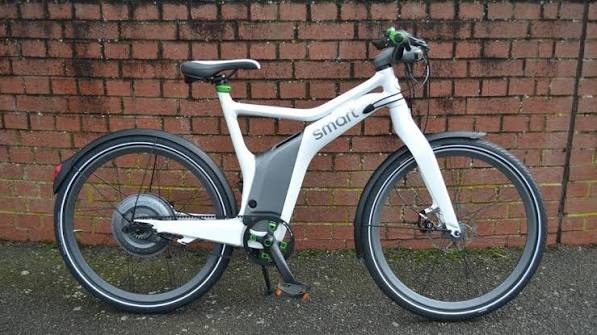
James Uses a Smart E-Bike
James opens his companion app before leaving.
His bike automatically:
- Calculates the most efficient route.
- Estimates remaining battery range.
- Adjusts motor assistance based on terrain.
- Records ride statistics.
- Sends a reminder when tire pressure should be checked.
Both riders reach work comfortably, but James benefits from additional convenience, automation, and ride insights.
Practical Buying Tips
Before purchasing either type of e-bike, consider these recommendations.
1. Define Your Riding Goals
Ask yourself:
- Will you commute daily?
- Ride for fitness?
- Explore trails?
- Replace car journeys?
Your primary use should guide your decision.
2. Set a Realistic Budget
Remember to budget for:
- Helmet.
- Lock.
- Lights.
- Accessories.
- Maintenance.
- Insurance (where applicable).
Thinking beyond the bike’s purchase price helps you avoid unexpected expenses.
3. Compare Battery Range
Choose a battery that comfortably exceeds your typical daily distance.
Having extra range provides flexibility for detours and unexpected trips.
4. Test Ride Different Models
Specifications don’t tell the whole story.
A short test ride allows you to evaluate:
- Comfort.
- Motor responsiveness.
- Handling.
- Riding position.
- Ease of use.
5. Buy From a Trusted Brand
Look for manufacturers that offer:
- Reliable warranties.
- Readily available spare parts.
- Responsive customer support.
- Regular software updates for Smart E-Bikes.
Good after-sales support is just as important as the bike itself.
Frequently Asked Questions
What is the main difference between a Smart E-Bike and a Regular E-Bike?
The biggest difference is connectivity. A Smart E-Bike includes features such as GPS tracking, smartphone integration, ride analytics, and software updates, while a Regular E-Bike focuses primarily on electric pedal assistance.
Is a Smart E-Bike worth the extra money?
If you value advanced technology, enhanced security, navigation, and detailed ride information, a Smart E-Bike is often worth the additional investment. For riders seeking basic transportation, a Regular E-Bike may be the more cost-effective option.
Are Smart E-Bikes harder to maintain?
Not necessarily. Mechanical maintenance is similar for both types, but Smart E-Bikes also benefit from software updates and occasional diagnostics to keep their digital features running smoothly.
Which type is better for beginners?
Both are beginner-friendly. A Regular E-Bike offers a simple learning curve, while a Smart E-Bike provides additional guidance through companion apps, navigation, and battery management tools.
Do Smart E-Bikes have better battery life?
Battery capacity varies by model, but Smart E-Bikes often use intelligent battery management systems that optimize energy consumption and provide more accurate range estimates.
Can a Regular E-Bike be upgraded with smart features?
Some accessories, such as GPS trackers or third-party cycling apps, can add limited functionality. However, they typically cannot match the seamless integration found in a purpose-built Smart E-Bike.
Final Verdict: Which Is Better?
When comparing Smart E-Bike vs Regular E-Bike, there is no single answer that fits every rider.
A Regular E-Bike is an excellent choice if your priorities are affordability, simplicity, and dependable electric assistance. It delivers a comfortable riding experience without requiring you to manage apps, software updates, or connected features.
A Smart E-Bike, on the other hand, is designed for riders who want more than just motor assistance. Features such as GPS navigation, intelligent battery management, smartphone connectivity, ride analytics, and advanced security create a more connected and personalized cycling experience.
If you commute frequently, enjoy technology, travel longer distances, or want extra protection against theft, investing in a Smart E-Bike can provide significant long-term value.
Ultimately, the best e-bike is the one that matches your lifestyle, budget, and riding goals. Take time to compare features, test different models, and choose a bike that you’ll enjoy riding for years to come.
As cycling technology continues to evolve, Smart E-Bikes are becoming increasingly capable and accessible. Whether you choose a smart or regular model, you’re investing in a cleaner, healthier, and more sustainable way to travel—one that benefits both you and the environment.
One thought on “Smart E-Bike vs Regular E-Bike: Which Is Better?”