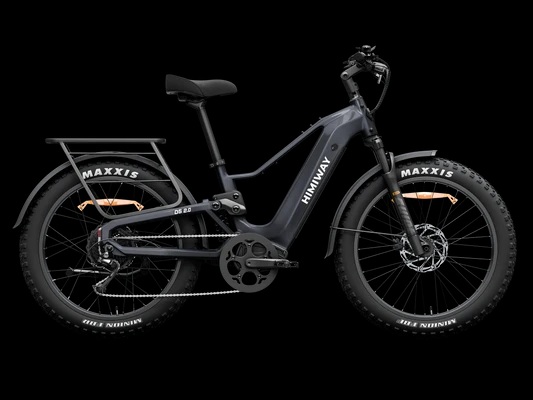
Class 1 vs Class 2 vs Class 3 E-Bike Guide (2026)
Class 1 vs Class 2 vs Class 3 E-Bike: Complete 2026 Guide
Electric bikes have transformed the way people commute, exercise, and explore. However, many first-time buyers become confused when comparing class 1 vs class 2 vs class 3 e-bike models. Each class has different speed limits, motor assistance, riding rules, and ideal use cases.
Understanding these differences can save you money, keep you compliant with local regulations, and help you buy an e-bike that truly fits your lifestyle. Whether you’re commuting to work, riding scenic trails, or replacing your daily car trips, knowing your e-bike class matters.
In this comprehensive guide, we’ll explain e-bike classes explained, compare their features, discuss Class 3 e-bike rules, answer what class is my e-bike, and explore the latest e-bike classification 2026 standards.
Why E-Bike Classes Exist
E-bike classifications were introduced to create consistent rules for manufacturers, riders, and governments. Instead of treating every electric bicycle the same, these classifications separate bikes based on:
- Maximum assisted speed
- Type of motor assistance
- Presence of a throttle
- Intended riding environment
This system helps determine where riders can legally ride and what safety requirements apply.
Understanding the Three E-Bike Classes
Before comparing them in detail, here’s a quick overview.
| Feature | Class 1 | Class 2 | Class 3 |
|---|---|---|---|
| Pedal Assist | Yes | Yes | Yes |
| Throttle | No | Yes | Usually No |
| Max Assisted Speed | 20 mph (32 km/h) | 20 mph (32 km/h) | 28 mph (45 km/h) |
| Best For | Recreation | Everyday Riding | Commuting |
| Bike Paths | Usually Allowed | Often Allowed | Sometimes Restricted |
Class 1 E-Bikes Explained
Class 1 is considered the most universally accepted type of electric bicycle.
How It Works
The motor only provides assistance while you’re pedaling. Once the bike reaches 20 mph (32 km/h), the motor stops helping.
You continue riding under your own power if you want to go faster.
Key Features
- Pedal assist only
- No throttle
- Maximum assisted speed of 20 mph
- Smooth and natural riding feel
- Accepted on most bike trails
Best For
- Fitness riders
- Recreational cyclists
- Mountain biking
- Nature trails
- Weekend adventures
Advantages
- Widely legal
- Longer battery range
- Better exercise
- More natural cycling experience
Drawbacks
- No throttle for quick starts
- Requires continuous pedaling
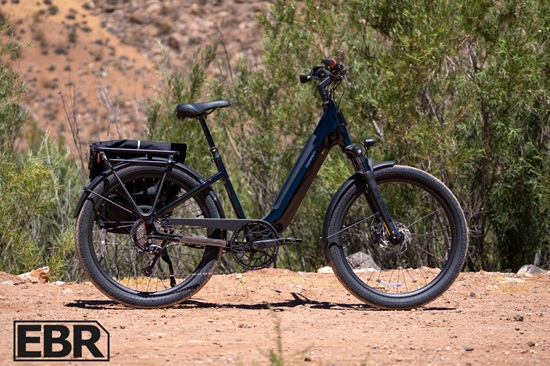
Class 2 E-Bikes Explained
Class 2 bikes include both pedal assist and a throttle.
The throttle allows riders to move without pedaling, making them especially popular among commuters and beginners.
How It Works
You can:
- Pedal with motor assistance
- Use only the throttle
- Combine both
Motor assistance stops at 20 mph.
Key Features
- Pedal assist
- Throttle included
- Maximum assisted speed of 20 mph
- Beginner-friendly
- Easy to ride in traffic
Best For
- Urban commuting
- Older riders
- Delivery riders
- Casual cyclists
Advantages
- Ride without pedaling
- Easier on hills
- Great for stop-and-go traffic
- Accessible for riders with knee problems
Drawbacks
- Slightly heavier
- Battery drains faster using throttle
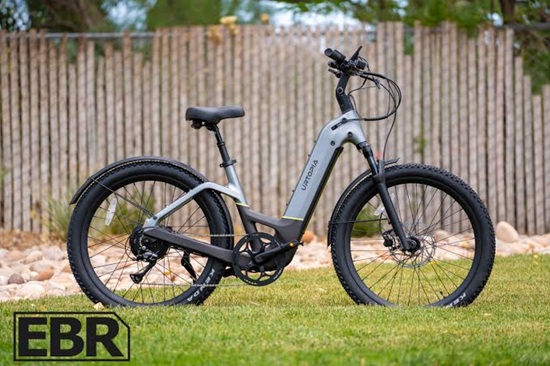
Class 3 E-Bikes Explained
Class 3 models are built for speed and longer-distance commuting.
Unlike Class 2, most Class 3 bikes don’t include a throttle, although some manufacturers offer one with speed restrictions.
How It Works
Pedal assistance continues until:
28 mph (45 km/h)
This higher speed makes commuting significantly faster.
Key Features
- Pedal assist
- Maximum assisted speed of 28 mph
- Powerful motors
- Usually includes a speedometer
- Built for road use
Best For
- Daily commuters
- Long-distance riders
- Fast city transportation
- Replacing a car
Advantages
- Fastest legal e-bike class
- Saves commuting time
- Excellent for long rides
- Efficient for city travel
Drawbacks
- Restricted on some trails
- Higher purchase price
- Faster battery consumption
For More Information Please Click Below:
Class 1 vs Class 2 vs Class 3 E-Bike Comparison
Speed
i:
- 20 mph pedal assist
ii:
- 20 mph pedal assist
- 20 mph throttle
iii:
- 28 mph pedal assist
Winner:
Class 3
Ease of Riding
If you don’t always want to pedal, Class 2 is the easiest.
Its throttle makes riding effortless during:
- Traffic
- Hills
- Fatigue
- Frequent stops
Winner:
Class 2
Exercise Benefits
Because Class 1 requires pedaling all the time, it offers the best workout.
Winner:
Class 1
Commuting
For riders traveling over 10 miles daily, Class 3 is usually the most practical choice.
Winner:
Class 3
Trail Access
Many natural parks only allow Class 1 e-bikes.
Winner:
Class 1
E-Bike Classes Explained in Simple Terms
Think of them like this:
Class 1
“I always pedal.”
Class 2
“I can pedal or use the throttle.”
Class 3
“I pedal faster for longer distances.”
This simple comparison helps many buyers instantly understand the differences.
What Class Is My E-Bike?
Many owners aren’t sure how to identify their bike’s class.
Here’s how to find out.
Look for the Manufacturer Label
Most modern e-bikes include a sticker showing:
- Class
- Top assisted speed
- Motor power
It’s usually located:
- Near the crank
- On the frame
- Under the seat
Check the Manual
Manufacturers clearly specify the class in:
- User guides
- Product specifications
- Official website listings
Ask Yourself These Questions
Does it have a throttle?
- Yes → Probably Class 2
- No → Continue
Assistance stops at 20 mph?
- Yes → Class 1
Does its assistance continue to 28 mph?
- Yes → Class 3
Class 3 E-Bike Rules
Class 3 bikes often have additional regulations because of their higher speed.
Depending on your country or state, you may encounter rules such as:
- Minimum rider age
- Helmet requirements
- Restrictions on shared paths
- Road-only access
- Speed limitations in certain areas
Always check your local transportation authority before riding a Class 3 e-bike.
E-Bike Classification 2026
While the three-class system remains the most widely recognized framework in many regions, e-bike classification 2026 reflects growing attention to rider safety, battery standards, and local trail management.
Recent trends include:
- Stricter enforcement of speed limits.
- Improved labeling requirements from manufacturers.
- More clearly marked bike paths showing which classes are permitted.
- Updated safety recommendations for higher-speed e-bikes.
Because regulations vary by country, state, and municipality, it’s important to verify local rules before riding—especially if you’re traveling with your e-bike.
Which E-Bike Class Should You Buy?
1:
- You enjoy exercise.
- You ride trails.
- You want maximum trail access.
- You prefer a traditional cycling feel.
2:
- You commute occasionally.
- You like using a throttle.
- You have mobility concerns.
- You ride mostly in cities.
3:
- You commute daily.
- You travel long distances.
- You want higher speeds.
- You’re replacing car trips.
Real-World Examples
Sarah – Weekend Explorer
Sarah enjoys riding through local parks every Saturday.
Best choice:
Class 1
Mike – Food Delivery Rider
Mike spends eight hours riding in city traffic.
Best choice:
Class 2
Emma – Office Commuter
Emma rides 18 miles every weekday.
Best choice:
Class 3
Expert Tips Before Buying
Buying the right class is about more than speed. Keep these tips in mind:
- Test ride different classes before purchasing.
- Think about where you’ll ride most often.
- Compare battery range, not just top speed.
- Wear a helmet regardless of local requirements.
- Check whether your local trails or bike paths have class restrictions.
- Factor in maintenance and replacement battery costs.
- If you’re unsure, choose the class that best matches your daily routine rather than the fastest option.
Common Mistakes Buyers Make
Avoid these common errors:
- Buying a Class 3 bike when most rides are on restricted trails.
- Assuming all throttles are legal everywhere.
- Ignoring local regulations.
- Focusing only on speed instead of comfort and range.
- Forgetting to check battery charging time.
- Purchasing without a test ride.
Frequently Asked Questions
Is Class 3 better than Class 2?
Not necessarily. Class 3 is faster, but Class 2 offers a throttle and may have broader access to certain shared-use paths. The better choice depends on your riding needs.
Can I ride a Class 3 e-bike on bike paths?
It depends on local regulations. Some jurisdictions allow Class 3 bikes on designated bike lanes but restrict them from multi-use recreational trails.
Which class has the longest battery range?
Battery range depends on factors such as battery capacity, terrain, rider weight, and assist level. Under similar conditions, Class 1 bikes often achieve the longest range because they don’t use a throttle and generally encourage lower average speeds.
Can I upgrade my Class 1 to Class 3?
Modifying an e-bike to exceed its original classification may affect safety, warranty coverage, and legal compliance. Consult the manufacturer before making any changes.
Which class is best for beginners?
Class 2 is often recommended for beginners because riders can choose between pedal assist and throttle, making it easier to build confidence.
Are all countries using the same classification?
No. While the three-class system is common in several markets, regulations differ worldwide. Always review the laws where you plan to ride.
Final Thoughts
Understanding class 1 vs class 2 vs class 3 e-bike differences makes it much easier to choose the right electric bike. Class 1 is ideal for fitness and trail riding, Class 2 offers convenience with a throttle for everyday use, and Class 3 delivers higher speeds for efficient commuting.
Instead of focusing only on top speed, consider where you’ll ride, how far you’ll travel, and which features matter most to your daily routine. By matching your riding habits with the appropriate class and staying informed about local regulations, you’ll enjoy a safer, more satisfying e-bike experience for years to come.