Electric Cargo Bikes 101: What They Are and Whether You Need
Electric Cargo Bikes 101: What They Are and Whether You Need Them
A few years ago, cargo bikes were a niche you’d mostly spot in bike-friendly European cities. In 2026, they’re one of the fastest-growing categories in American e-mobility — and for a specific reason: they’ve quietly become a real substitute for short car trips, not just a novelty.
School drop-offs, grocery runs, weekend errands, even small business deliveries — an electric cargo bike can handle a surprising amount of what a second car does, without the payment, insurance, gas, or parking headache. This guide covers what electric cargo bikes actually are, the different styles available, what to look for before buying, and whether one realistically fits your life.
What Is an Electric Cargo Bike?
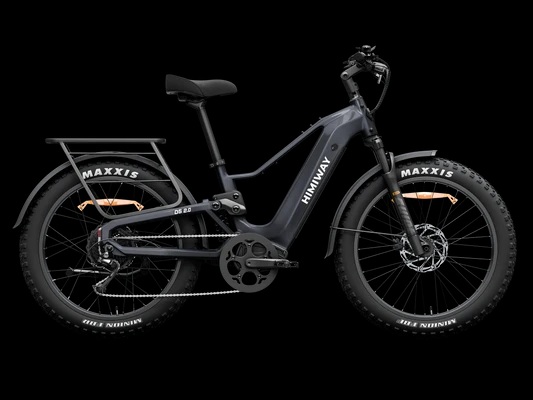
An electric cargo bike is exactly what it sounds like: an e-bike built specifically to carry heavy loads — kids, groceries, pets, tools, packages — rather than just a rider. Compared to a standard e-bike, cargo models typically have:
- A longer or reinforced frame to support extra weight
- A more powerful motor (often a torque-sensing mid-drive) to handle the added load, especially on hills
- A larger battery, since hauling weight draws more power
- Built-in or add-on cargo areas — a rear deck, a front box, or both
- Wider, more stable tires and a lower center of gravity for balance when loaded
They’re not a separate “class” under e-bike law — most fall under the same Class 1, 2, or 3 system as standard e-bikes — but they’re built around a completely different priority: capacity over speed.
The Main Styles of Electric Cargo Bikes
Longtail Cargo Bikes
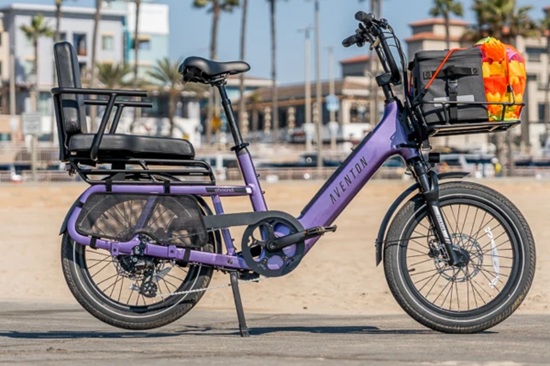
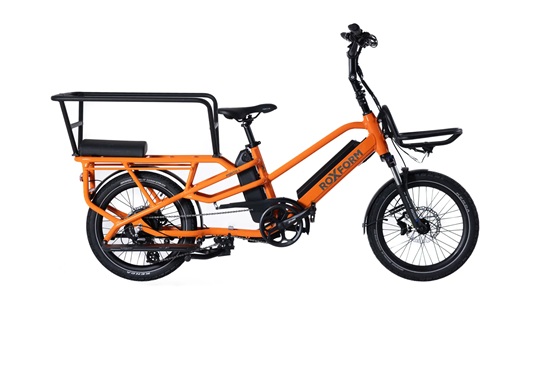
The most common style in the U.S. market. A longtail extends the rear of the bike to create an elongated cargo deck, which can hold saddlebag-style panniers, a bench seat for one or two kids, or stacked cargo. Longtails tend to handle more like a regular bike than other cargo styles, which makes them a popular first cargo bike for riders coming from standard e-bikes.
Front-Loader (Box Bike / “Bakfiets”) Cargo Bikes
These place the cargo area — often an open or enclosed box — between the front wheel and the rider, ahead of the handlebars. Front-loaders typically offer more visible, secure cargo space (you can see your kids or cargo directly in front of you) and often have a lower step-through frame for easy loading. The tradeoff: they’re longer, heavier, and take more practice to maneuver at low speeds, especially when parking or turning in tight spaces.
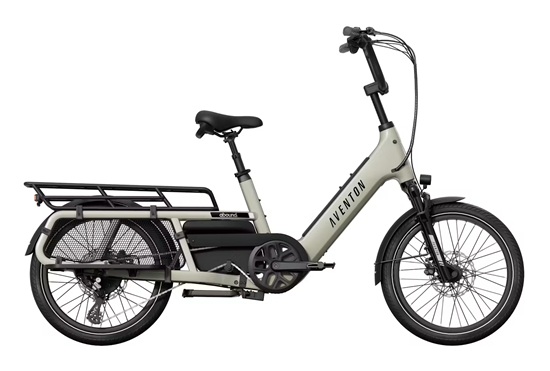
Mid-Tail and Compact Cargo Bikes
A middle ground between a standard e-bike and a full longtail — shorter cargo capacity, easier to store and maneuver, better suited to riders who need occasional hauling capacity rather than daily heavy loads.
Trike (Three-Wheeled) Cargo Bikes
Less common but growing, especially for delivery and business use. Three wheels add stability at a standstill and while loading, which matters for riders carrying very heavy or awkward loads, though trikes are wider and less nimble in traffic and tight bike infrastructure.
For More Information About Electric Bikes, Please Click Below:
- E-Bikes for Seniors: Safety Features and What Actually Matters?
- Hub Motor vs. Mid-Drive Motor: Which Is Better?
- E-Bike Tax Credits and Rebates by State {2026}
What to Look For Before Buying
Weight capacity. Check both the total payload capacity (rider plus cargo) and the bike’s own gross vehicle weight rating. Family-oriented cargo bikes commonly support several hundred pounds of combined rider and cargo weight — confirm the specific number for any model you’re considering, since it varies significantly between bikes.
Motor type and power. A torque-sensing mid-drive motor tends to perform better under heavy, variable loads than a hub motor, particularly on hills — see our full breakdown in [Hub Motor vs. Mid-Drive Motor].
Battery size and range. Cargo bikes draw more power per mile than standard e-bikes, especially loaded. If you’re planning daily use with kids or heavy cargo, prioritize a larger battery over a lighter one, and expect real-world range to run lower than the bike’s unloaded rating.
Child safety features (if applicable). Look for integrated seat belts, footrests, spoke guards, and manufacturer-rated child seating capacity if you’re planning to carry kids — don’t assume a bench seat is automatically rated for passengers without checking.
Stability at low speed. If you’ll be loading and unloading kids or heavy cargo frequently, test (or read reviews on) how the bike handles at a near-standstill, not just while riding — this is where front-loaders and trikes tend to have an advantage over longtails.
Storage and charging logistics. Cargo bikes are long and, in the case of front-loaders, wide. Confirm it will actually fit through your door, in your garage, or wherever you plan to store and charge it before buying.
Can an Electric Cargo Bike Replace a Car?
For many households, an e-cargo bike won’t fully replace a car — but it can realistically replace a large share of short, local car trips: school runs, grocery pickups, errands within a few miles, and short commutes. Households that see the most value tend to have:
- A relatively bike-friendly local infrastructure (bike lanes, low-traffic streets, or multi-use paths)
- Trip distances under roughly 5–7 miles for most regular errands
- A second vehicle already available for longer trips, bad weather, or larger hauls
It’s less realistic as a full car replacement for households with long commutes, minimal bike infrastructure, or frequent need for highway travel — but even in those cases, it can meaningfully reduce how often the car gets used for short trips.
What Do Electric Cargo Bikes Cost?
Electric cargo bikes generally cost more than standard e-bikes because of the reinforced frame, larger battery, and more powerful motor required to haul weight. Expect a wider price range than standard e-bikes, with basic models starting above typical entry-level e-bike pricing and premium family-oriented or business-use models running considerably higher. Some state and local e-bike rebate programs offer additional incentives specifically for cargo bikes — see our guide: [E-Bike Tax Credits and Rebates by State].
Frequently Asked Questions
Is an electric cargo bike worth it? For households doing frequent short local trips — school runs, groceries, errands — many owners find it worth the cost, since it can meaningfully reduce car use. It’s a bigger commitment than a standard e-bike, though, both in price and storage space, so it’s worth honestly assessing your typical trip distances and local infrastructure first.
How many kids can fit on a cargo bike? It depends on the model. Many longtail and front-loader cargo bikes are rated for one to two children with proper seating and safety equipment, though capacity varies by manufacturer — always check the specific weight rating and seating configuration rather than assuming.
Do cargo e-bikes need a special license? In most states, no — electric cargo bikes generally fall under the same Class 1, 2, or 3 e-bike laws as standard e-bikes, which typically don’t require a license. Always confirm current rules for your state, since laws vary and some states classify bikes differently based on weight or power. See our full breakdown: [E-Bike Laws by State].
How is an electric cargo bike different from a regular cargo bike? A regular (non-electric) cargo bike relies entirely on your own pedaling to move the weight of the bike, cargo, and any passengers — which becomes physically demanding fast, especially on hills. An electric cargo bike adds motor assistance, which is a major factor in why e-cargo bikes have become far more practical for everyday use than their non-electric counterparts.
What’s the maintenance like on a cargo e-bike? Similar to a standard e-bike, but expect more frequent attention to tires, brakes, and drivetrain components due to the added weight they carry regularly. Routine checks — tire pressure, brake pad wear, chain lubrication — matter more on a cargo bike than a lightweight commuter model.
Final Takeaway
An electric cargo bike isn’t just a bigger e-bike — it’s a genuinely different tool built around hauling capacity rather than speed or lightness. For the right household — short trip distances, decent bike infrastructure, a real need to carry kids or cargo regularly — it can replace a meaningful share of car trips and pay for itself in convenience alone. For others, it’s a significant investment that may not fit daily routines built around longer drives.
Before buying, be honest about your typical trip distances, where you’ll store it, and how much weight you actually need to carry — then match that to the right style: longtail for versatility, front-loader for visibility and low-speed stability, or trike for maximum stability under heavy loads.