Skip to content
Smart E-Bike Guides, Reviews & Buying Tips.

Smart E-Bike Guides, Reviews & Buying Tips.

  • Home
  • About Us
  • Contact Us
  • Privacy Policy
  • Home
  • Smart E-Bike
  • Are Smart E-Bikes Worth the Money?
Hub motor component showing the internal motor housing, wiring, and electronic connections used to power an e-bike wheel.
Smart E-Bike
Hub Motor vs. Mid-Drive Motor: Which Is Better?
08/08/2026
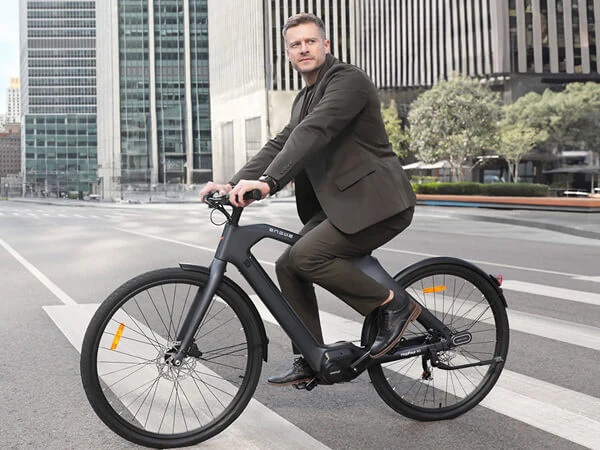
Modern smart electric bike with an integrated battery, step-through frame, and powerful motor for comfortable city commuting.
Smart E-Bike
How Much Does It Cost to Charge an E-Bike?
07/22/2026
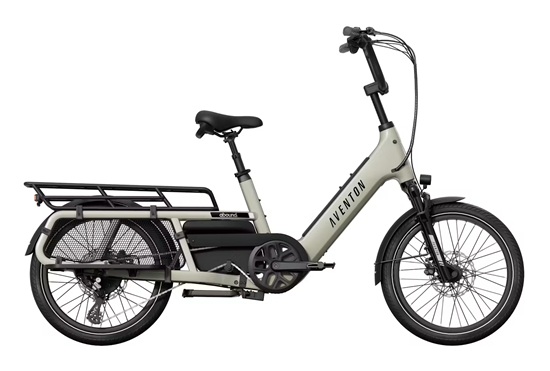
White commuter e-bike with integrated battery, front suspension, and rear cargo rack designed for comfortable daily urban commuting.
Smart E-Bike
Best E-Bikes Under $1,500 In 2026: Tested and Ranked
08/05/2026
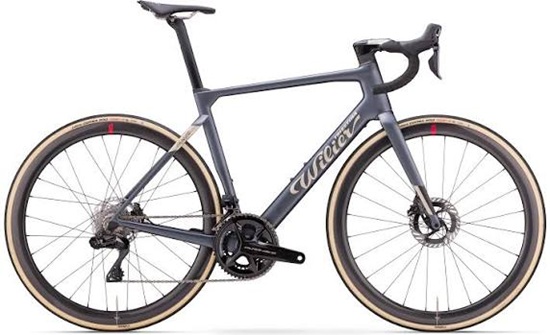
Compact folding electric bike with a lightweight frame, integrated battery, and portable design for easy urban commuting.
Folding E-Bikes
Best Folding Smart E-Bikes
07/26/2026
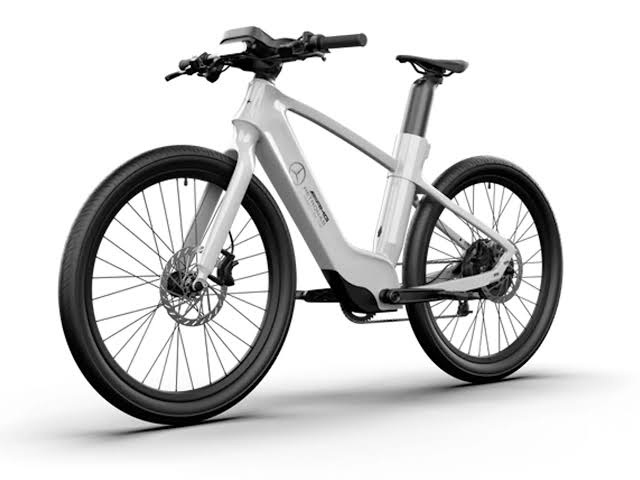
A sleek smart electric bike featuring an integrated battery, powerful motor, and minimalist design for efficient urban commuting.

Are Smart E-Bikes Worth the Money?

Posted on 07/20/2026 By Muhammad Kamran No Comments on Are Smart E-Bikes Worth the Money?
Smart E-Bike, Smart E-Bike Price

Are Smart E-Bikes Worth the Money?

Electric bikes have transformed urban transportation, making commuting faster, greener, and more enjoyable. But as technology continues to evolve, a new category has emerged—smart e-bikes. Packed with GPS tracking, smartphone connectivity, anti-theft systems, ride analytics, and automatic software updates, these high-tech bicycles promise much more than basic electric assistance.

But one important question remains: Are Smart E-Bikes Worth the Money?

The answer depends on how often you ride, your budget, your commuting habits, and the value you place on convenience and technology. While smart e-bikes typically cost more than standard electric bikes, they also offer features that improve safety, security, performance, and long-term ownership.

In this comprehensive guide, we’ll explore everything you need to know before investing in a smart e-bike, including their advantages, disadvantages, costs, real-world value, and who should consider buying one.

A sleek smart electric bike featuring an integrated battery, powerful motor, and minimalist design for efficient urban commuting.

What Is a Smart E-Bike?

A smart e-bike is an electric bicycle equipped with advanced digital technology beyond the standard motor and battery system.

Unlike traditional electric bikes, smart models communicate with your smartphone, cloud services, and sometimes even other devices. These connected features provide better control, enhanced security, maintenance monitoring, and a more personalized riding experience.

Common Smart Features

Most premium smart e-bikes include features such as:

  • GPS tracking
  • Smartphone app integration
  • Bluetooth connectivity
  • Ride statistics and analytics
  • Battery health monitoring
  • Navigation assistance
  • Remote locking
  • Anti-theft alarms
  • Automatic software updates
  • Custom riding modes
  • Crash detection
  • Over-the-air firmware updates

Some premium models even offer AI-powered ride optimization and predictive maintenance alerts.

How Much Do Smart E-Bikes Cost?

Price is often the biggest factor when deciding whether smart e-bikes are worth the investment.

Here’s a general pricing breakdown:

Type Typical Price
Basic E-Bike $700–$1,500
Mid-Range Smart E-Bike $1,500–$3,000
Premium Smart E-Bike $3,000–$7,000+

The higher price reflects additional hardware, advanced electronics, premium components, and proprietary software.

While the initial investment may seem significant, many riders recover some of that cost through lower transportation expenses over time.

What Makes Smart E-Bikes Different?

Many people assume smart features are simply luxury extras. In reality, some provide practical everyday benefits.

1. Advanced Security

Bike theft is a growing problem in many cities.

Smart e-bikes often include:

  • GPS location tracking
  • Motion detection
  • Theft notifications
  • Remote motor locking
  • Alarm systems

If someone attempts to move your bike without permission, you’ll receive an instant notification on your phone.

Some systems even allow police to locate stolen bikes using real-time GPS data.

2. Smartphone Connectivity

One of the biggest advantages is seamless smartphone integration.

Dedicated mobile apps allow riders to:

  • Check battery percentage
  • Monitor remaining range
  • Change assist levels
  • Record rides
  • View maintenance reminders
  • Update bike software
  • Plan routes

Instead of guessing your battery life, you’ll have accurate real-time information.

3. Navigation

Many smart bikes include built-in navigation.

Depending on the model, directions may appear through:

  • Handlebar displays
  • LED indicators
  • Phone apps
  • Voice guidance

This makes commuting easier, especially in unfamiliar cities.
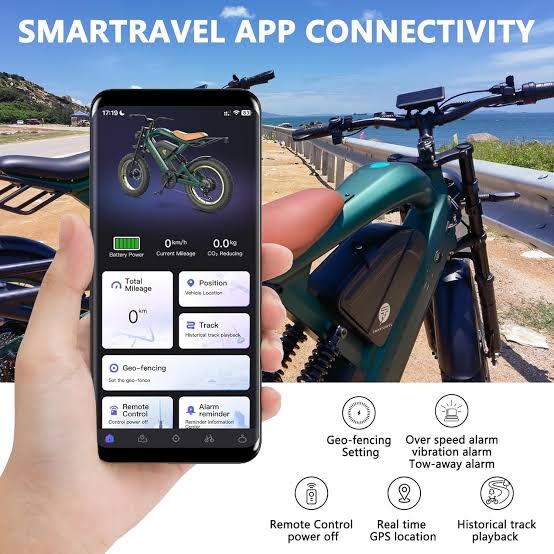
A smartphone app connected to a smart e-bike, offering GPS tracking, geofencing, ride analytics, and remote security controls.

4. Ride Analytics

Smart e-bikes collect useful riding data, including:

  • Distance traveled
  • Average speed
  • Maximum speed
  • Elevation climbed
  • Calories burned
  • Battery efficiency
  • Trip history

For commuters and fitness enthusiasts, these insights can help improve riding habits and track progress.

5. Software Updates

Unlike traditional bicycles, smart e-bikes continue improving after purchase.

Manufacturers regularly release firmware updates that may:

  • Improve battery management
  • Increase motor efficiency
  • Fix software bugs
  • Add new riding modes
  • Enhance security

Your bike essentially becomes smarter over time.

Benefits of Buying a Smart E-Bike

Let’s examine the biggest reasons many riders choose smart e-bikes over conventional electric bikes.

Better Theft Protection

Replacing a stolen e-bike can cost thousands of dollars.

Smart security features significantly reduce the risk of theft by making bikes harder to steal and easier to recover.

For riders living in busy cities, this feature alone may justify the higher purchase price.

Easier Maintenance

Smart systems continuously monitor the bike’s condition.

Instead of waiting for something to break, you’ll often receive alerts for:

  • Low tire pressure (on supported models)
  • Battery issues
  • Motor diagnostics
  • Service reminders
  • Firmware updates

Preventive maintenance extends the bike’s lifespan and reduces repair costs.

Improved Riding Experience

Technology simplifies everyday riding.

Examples include:

  • Automatic power adjustment
  • Personalized assist modes
  • Battery optimization
  • Intelligent range estimation

These features create a smoother and more enjoyable ride.

Better Long-Term Value

Although smart e-bikes cost more initially, they often include:

  • Higher-quality motors
  • Better batteries
  • Premium brakes
  • Improved suspension
  • Stronger frames

Combined with ongoing software support, they generally retain their value better than lower-end electric bikes.

Downsides of Smart E-Bikes

No product is perfect.

Before purchasing, consider these potential disadvantages.

Higher Initial Cost

The biggest drawback is price.

Smart features increase manufacturing costs, making these bikes considerably more expensive than standard e-bikes.

If you only ride occasionally, the additional investment may not make financial sense.

More Technology Means More Complexity

While smart features add convenience, they also introduce additional components that may require updates, troubleshooting, or occasional repairs.

Some riders prefer the simplicity of traditional electric bikes that have fewer electronic systems.

Subscription Services

Some manufacturers lock premium features behind monthly subscriptions.

Examples may include:

  • GPS tracking
  • Theft recovery
  • Cellular connectivity
  • Cloud storage
  • Advanced ride analytics

Always check whether important features require ongoing payments before buying.

Battery Dependency

Many smart functions rely on the bike’s battery.

If the battery is completely depleted, features like GPS tracking, alarms, or app connectivity may become unavailable until the battery is recharged.

Are Smart E-Bikes Worth the Money for Different Types of Riders?

The answer depends largely on how you plan to use your bike.

Daily Commuters

If you ride every day, smart e-bikes often provide excellent value.

Benefits include:

  • Reliable navigation
  • Better theft protection
  • Ride tracking
  • Efficient battery management
  • Lower commuting costs

Frequent riders benefit the most from these advanced features.

For more information, please click:

  • Smart E-Bike vs Regular E-Bike: Which Is Better?
  • Best Smart E-Bikes for City Commuting In 2026
  • What Is a Smart E-Bike? A Beginner’s Guide
  • How Smart E-Bikes Work In 2026

Weekend Riders

For occasional recreational cyclists, smart features may be nice to have rather than essential.

If your rides are short and infrequent, a quality standard e-bike may offer better overall value.

A delivery rider using an electric cargo bike for fast, cost-effective, and eco-friendly urban deliveries.

Delivery Riders

Food delivery and courier professionals spend long hours on the road.

Smart features like battery monitoring, GPS navigation, maintenance alerts, and theft protection can improve efficiency and reduce downtime.

For many delivery riders, the higher purchase price can pay for itself through increased productivity and reliability.


Cost vs. Value: Are Smart E-Bikes Worth the Money?

When evaluating whether Smart E-Bikes are worth the Money is more than just a marketing claim, it’s important to look beyond the purchase price. A smart e-bike isn’t simply a bicycle with a motor—it’s a connected transportation solution designed to improve convenience, safety, and the overall riding experience.

The real value depends on how frequently you ride and which features you’ll actually use.

Smart E-Bikes Are Worth It If You:

  • Commute several times a week
  • Live in an area where bike theft is common
  • Enjoy using technology to track rides and performance
  • Want GPS navigation without mounting a separate device
  • Plan to keep your e-bike for several years
  • Prefer proactive maintenance alerts over unexpected repairs

In these situations, the additional investment can provide meaningful long-term benefits.

A Standard E-Bike May Be Better If You:

  • Ride only a few times each month
  • Have a limited budget
  • Don’t need smartphone connectivity
  • Prefer a simpler bike with fewer electronic features
  • Mainly ride on short recreational trips

If advanced technology isn’t important to you, a traditional e-bike can still deliver excellent performance at a lower price.

Real-World Examples

Looking at real-world scenarios helps illustrate where smart e-bikes shine.

Example 1: The Daily Commuter

Sarah rides 12 miles to work every weekday.

Her smart e-bike helps her:

  • Check battery range before leaving home
  • Use built-in navigation to avoid traffic
  • Lock the bike remotely during work hours
  • Receive theft alerts if someone tampers with it
  • Track monthly commuting mileage

By replacing most of her car trips, she saves money on fuel, parking, and maintenance while enjoying a more efficient commute.

Outcome

For Sarah, the convenience, security, and transportation savings make the higher purchase price worthwhile.

Example 2: The Weekend Explorer

David enjoys leisurely rides through local parks once or twice a month.

He doesn’t rely on GPS, rarely locks his bike in public, and isn’t interested in ride analytics.

A high-quality standard e-bike meets all of his needs at a lower cost.

Outcome

The additional smart features wouldn’t significantly improve his riding experience.

Example 3: The Delivery Rider

Alex delivers food throughout the city.

Every day, he depends on his bike for income.

His smart e-bike helps him:

  • Optimize routes
  • Monitor battery life
  • Schedule maintenance
  • Reduce downtime
  • Protect against theft

Outcome

The increased reliability and efficiency directly support his earnings, making the investment easy to justify.

A visual representation of the long-term cost savings and financial benefits of owning and riding an electric bike.

Long-Term Savings

Although smart e-bikes cost more upfront, they may help reduce expenses over time.

Potential savings include:

  • Lower fuel costs
  • Reduced parking fees
  • Less public transportation spending
  • Fewer car maintenance expenses
  • Lower repair costs through preventive maintenance
  • Better resale value

For many commuters, these savings can offset a significant portion of the purchase price over several years.

What to Look for Before Buying a Smart E-Bike

Not all smart e-bikes offer the same level of technology or quality. Before making a purchase, compare models carefully.

1. Battery Capacity

Look for a battery that comfortably supports your daily riding distance.

Consider:

  • Maximum range
  • Charging time
  • Battery warranty
  • Ease of replacement

A quality battery is one of the most important components of any e-bike.

2. Motor Performance

Choose a motor that matches your riding style.

Think about:

  • City commuting
  • Hill climbing
  • Cargo carrying
  • Off-road riding
  • Maximum assisted speed (subject to local regulations)

A smooth and reliable motor contributes significantly to ride comfort.

3. Security Features

If you’ll leave your bike in public places, prioritize security.

Useful features include:

  • GPS tracking
  • Motion sensors
  • Built-in alarms
  • Remote locking
  • Geofencing
  • Theft notifications

These tools can help deter theft and improve the chances of recovering a stolen bike.

4. Mobile App Quality

The companion app is a major part of the smart experience.

Look for an app that offers:

  • Stable connectivity
  • Easy-to-use interface
  • Ride history
  • Battery monitoring
  • Navigation
  • Software updates
  • Maintenance reminders

Reading user reviews can provide insight into the app’s reliability and ongoing support.

5. Warranty and Customer Support

A comprehensive warranty reflects the manufacturer’s confidence in its product.

Before buying, check:

  • Frame warranty
  • Motor warranty
  • Battery warranty
  • Availability of replacement parts
  • Service network
  • Customer support reputation

Good after-sales support can make ownership much easier.

A rider removing a detachable e-bike battery for convenient charging, maintenance, and enhanced security

Expert Tips Before You Buy

Keep these practical tips in mind to make a smarter purchase.

Test Ride Whenever Possible

Comfort, handling, and motor responsiveness are difficult to judge from specifications alone.

A test ride can reveal whether the bike feels right for your body and riding style.

Don’t Pay for Features You’ll Never Use

Some premium models include advanced capabilities that may not add value for every rider.

Focus on features that match your daily needs rather than buying the most expensive option.

Research Software Support

Smart features rely on software.

Choose manufacturers with a strong history of:

  • Regular firmware updates
  • Reliable mobile apps
  • Long-term customer support

This helps ensure your bike stays functional and secure over time.

Consider Total Ownership Cost

Beyond the purchase price, factor in:

  • Insurance
  • Accessories
  • Maintenance
  • Battery replacement (eventually)
  • Subscription services, if applicable

Understanding the full cost of ownership can prevent surprises later.

Frequently Asked Questions

Are smart e-bikes more reliable than regular e-bikes?

High-quality smart e-bikes are generally just as reliable as standard e-bikes. In many cases, diagnostic tools and maintenance alerts help identify small issues before they become major repairs.

Are smart e-bikes good for beginners?

Yes. Many smart features—such as navigation, battery monitoring, and adjustable power assistance—can make riding easier and more enjoyable for first-time e-bike owners.

Do smart e-bikes require internet access?

Most core riding functions work without an internet connection. However, features like cloud backups, live GPS tracking, and remote updates may require Wi-Fi or mobile data through the companion app.

Can smart e-bike software become outdated?

Like smartphones, software evolves over time. Buying from a reputable brand with a strong track record of updates increases the likelihood of receiving ongoing improvements and security fixes.

Do smart features drain the battery faster?

Connected features use some power, but they’re typically designed to have a minimal impact on overall riding range. Motor assistance remains the primary source of battery consumption.

Are smart e-bikes worth the money for commuters?

For frequent commuters, many smart e-bikes offer excellent value. Features like navigation, theft protection, battery management, and maintenance alerts can make daily travel more convenient and secure.

Final Verdict: Are Smart E-Bikes Worth the Money?

So, are smart e-bikes worth the money?

For many riders, the answer is yes—especially if you commute regularly, rely on your bike for transportation, or appreciate connected technology that enhances convenience and security.

Smart features such as GPS tracking, smartphone integration, ride analytics, remote locking, and software updates add practical benefits that go beyond simple electric assistance. These capabilities can improve the ownership experience, help protect your investment, and support more confident everyday riding.

That said, a smart e-bike isn’t the right choice for everyone. If you ride only occasionally or prefer a straightforward, budget-friendly option, a traditional e-bike may provide everything you need without the added cost.

Ultimately, the best decision comes down to your riding habits, budget, and priorities. By focusing on the features that matter most to you—and choosing a reputable manufacturer—you’ll be well positioned to invest in an e-bike that delivers lasting value for years to come.

Conclusion

Smart e-bikes represent the next step in personal mobility, combining electric assistance with intelligent technology to create a more connected riding experience. While they require a higher upfront investment, the added convenience, enhanced security, performance insights, and long-term usability make them a worthwhile choice for many cyclists.

Before making a purchase, compare models carefully, test ride whenever possible, and consider how you’ll use the bike day to day. A thoughtful decision today can lead to years of enjoyable, efficient, and eco-friendly transportation.

Tags: are connected/app-enabled e-bikes worth it are e-bikes worth it are e-bikes worth it 2026 Are smart e bikes worth the money do e-bikes save money e-bike pros and cons e-bike return on investment e-bike vs regular bike worth ite-bike vs car cost comparison how much should you spend on an e-bike is an electric bike worth buying is it worth buying an expensive e-bike Commercial/comparison Smart e bike price smart e-bike features worth it

Post navigation

❮ Previous Post: Best Smart E-Bikes for City Commuting In 2026
Next Post: How Much Does It Cost to Charge an E-Bike? ❯

You may also like

Smart E-Bike
E-Bike Laws by State: The Complete 2026 Guide
08/07/2026
Blue three-wheel electric bike with wide tires, a comfortable seat, and rear cargo compartments designed for stable and practical senior transportation.
Smart E-Bike
E-Bikes for Seniors: Safety Features and What Actually Matters?
08/13/2026
Modern smart electric bike with an integrated battery, step-through frame, and powerful motor for comfortable city commuting.
Smart E-Bike
How Much Does It Cost to Charge an E-Bike?
07/22/2026
Smart e-bike with GPS navigation, smart electric bike dashboard, beginner riding a smart e-bike
Smart E-Bike
What Is a Smart E-Bike? A Beginner’s Guide
07/16/2026

Leave a Reply Cancel reply

Your email address will not be published. Required fields are marked *

August 2026
M T W T F S S
 12
3456789
10111213141516
17181920212223
24252627282930
31  
« Jul    
  • E-Bikes for Seniors: Safety Features and What Actually Matters?
  • Best E-Bikes for Hills (2026): Top Picks for Hilly Cities
  • Hub Motor vs. Mid-Drive Motor: Which Is Better?
  • E-Bike Laws by State: The Complete 2026 Guide
  • Class 1 vs Class 2 vs Class 3 E-Bike Guide (2026)
  • Home
  • About Us
  • Contact Us
  • Privacy Policy
  • Home
  • About Us
  • Contact Us
  • Privacy Policy

Copyright © 2026 Smart E-Bike Guides, Reviews & Buying Tips..

Theme: Oceanly Green by ScriptsTown