Hub Motor vs. Mid-Drive Motor: Which Is Better?
Hub Motor vs. Mid-Drive Motor: Which Is Better?
Choosing between a hub motor vs mid-drive motor is one of the most important decisions you’ll make when buying an electric bike. The motor affects how the bike feels, climbs hills, uses battery power, handles weight, and even how much maintenance you may face over time.
A hub motor can be an excellent choice for affordable commuting and relaxed recreational riding. A mid-drive motor, meanwhile, can deliver a more natural pedaling experience and impressive climbing performance, particularly when paired with the bike’s gears.
So, which e-bike motor is better? There isn’t one universal answer. The best choice depends on where you ride, how often you encounter hills, how much cargo you carry, your budget, and how important a natural cycling feel is to you.
This guide breaks down hub motor vs mid-drive motor technology so you can make a confident decision.
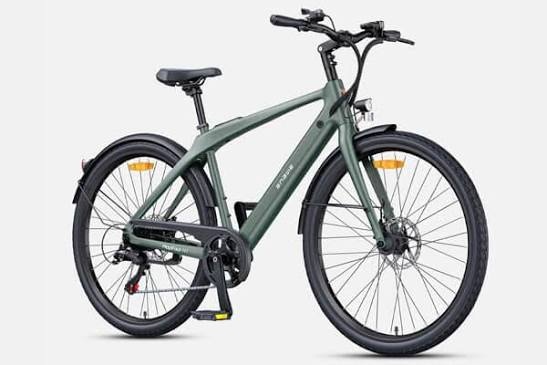
Hub Motor vs. Mid-Drive Motor: Quick Comparison
Before getting into the details, here’s a quick overview:
| Feature | Hub Motor | Mid-Drive Motor |
|---|---|---|
| Motor location | Front or rear wheel hub | Bottom bracket/crank area |
| Riding feel | Push or pull sensation | Natural, centered assistance |
| Hill performance | Good to very good | Excellent when properly geared |
| Weight distribution | More concentrated at wheel | More centralized |
| Drivetrain stress | Generally lower | Generally higher |
| Flat-tire service | Can be more complicated | Similar to a conventional bike |
| Typical cost | Lower | Higher |
| Best for | Commuting, casual riding | Hills, touring, cargo, eMTBs |
| Gear utilization | Motor drives wheel directly | Motor works through bike gears |
| Maintenance | Often simpler motor system | More drivetrain considerations |
The important point is that motor placement alone doesn’t determine performance. Torque, gearing, controller programming, battery capacity, sensors, weight, tires, and the overall bike design all matter.
What Is a Hub Motor E-Bike?
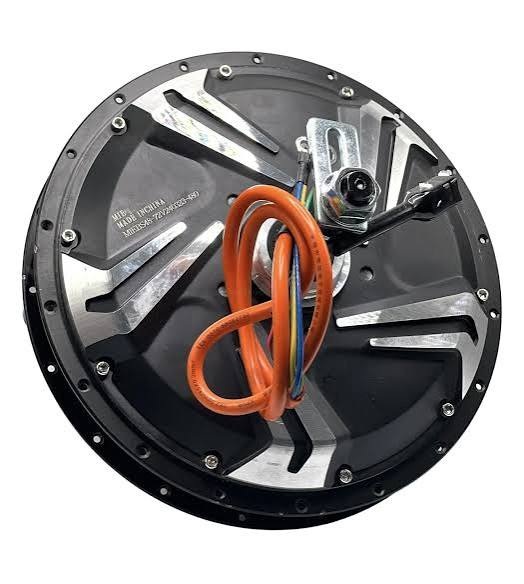
A hub motor is built into the center of one of the bicycle’s wheels. It can be installed in the front or rear wheel, although rear hub motors are particularly common.
The motor directly turns the wheel rather than sending its power through the bicycle’s chain and gears. Bafang, for example, offers both front and rear hub-drive systems alongside its mid-drive products.
How Does a Hub Motor Work?
When the bike’s sensors detect that assistance is needed, the controller sends electricity from the battery to the motor.
The motor then rotates the hub and turns the wheel.
With a rear hub motor, the experience can feel like the bike is pushing you forward from behind. A front hub motor can produce more of a pulling sensation.
This makes the system relatively straightforward and particularly attractive for riders who want dependable electric assistance without a highly complicated drivetrain.
Hub Motor E-Bike Pros and Cons
Pros:
- Usually more affordable
- Simple power delivery
- Good for flat and moderately hilly roads
- Can work well with throttles
- Less direct motor load on the bicycle chain
- Available in many commuter and recreational bikes
- Rear hub motors can provide strong traction on paved surfaces
Cons:
- Added weight at the wheel
- Can feel less natural than a good mid-drive
- Wheel removal can be more complicated
- Motor performance depends heavily on its specifications
- Can be less efficient for repeated steep climbs
- Front hub motors can affect steering and traction
REI notes that hub-drive motors can make flat repairs more complicated because the motor and electrical connections are integrated into the wheel.
For More Information About Hub Motor Please Click Here.
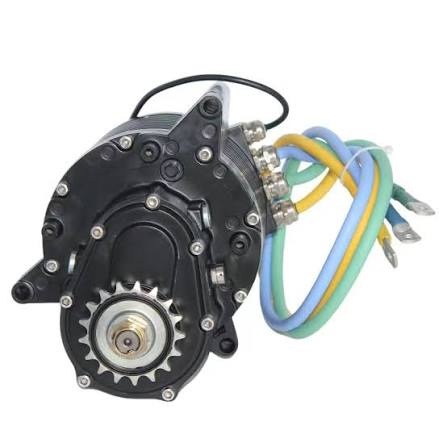
What Is a Mid-Drive Motor E-Bike?
A mid-drive motor is positioned near the bottom bracket, where the bicycle’s crank arms connect to the frame.
Instead of directly turning the wheel, the motor applies power through the bicycle’s drivetrain.
That distinction is extremely important.
Because the motor works through the bicycle’s gears, the rider can select a lower gear for climbing or a higher gear for faster riding. REI describes mid-drive motors as providing a natural pedal-assist feel while keeping the bike’s weight centralized and low.
How Does a Mid-Drive Motor Work?
Imagine riding up a steep hill on a conventional bicycle.
You shift into an easier gear, increase your pedaling effort, and maintain a manageable cadence.
A mid-drive e-bike essentially allows the motor to benefit from that same gearing system.
This is one of the biggest reasons mid-drive vs hub motor e-bike comparisons often favor mid-drive systems for steep terrain.
Mid-Drive Motor E-Bike Pros and Cons
Pros:
- Natural and balanced riding feel
- Excellent climbing ability
- Uses the bicycle’s gears
- Centralized weight distribution
- Excellent for mountain biking
- Well suited to heavy cargo
- Efficient use of motor torque when correctly geared
- Often feels more like riding a conventional bicycle
Cons:
- Usually more expensive
- Can put additional stress on the chain and drivetrain
- Drivetrain components may wear faster
- More complex systems can be expensive to repair
- Shifting technique becomes more important
- Not always necessary for flat-city riding
Bafang’s current mid-drive lineup illustrates how widely these systems can be designed: its M210 is aimed at entry-level city bikes, while its M410 is designed for trekking applications and its higher-output M560 targets eMTB, eFat and cargo applications.
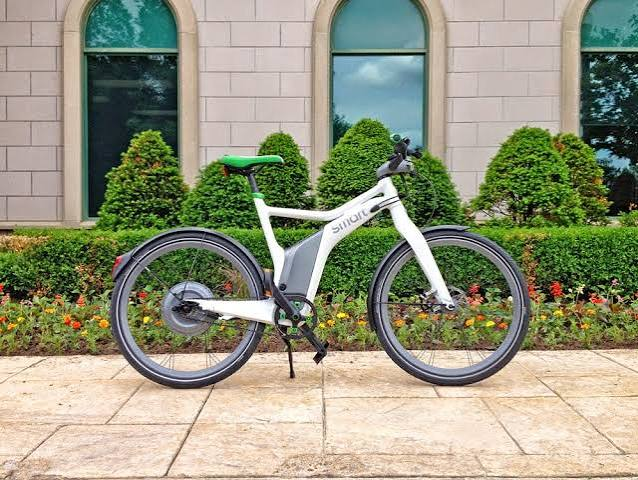
For More Information About Smart E-Bike Please Click Below:
Hub Motor vs Mid-Drive Motor for Hills
If hills are a major part of your riding, the comparison becomes particularly interesting.
A common question is: hub motor vs mid-drive for hills — which wins?
In general, a properly geared mid-drive motor has the advantage on steep, sustained climbs.
Why?
Because it can use the bike’s gears.
When you shift into a low gear, the motor can maintain a useful operating speed while providing strong assistance at the wheel.
Torque matters here, but don’t judge an e-bike exclusively by its advertised Nm figure. Bosch explains that torque contributes to acceleration and climbing, while the relationship between torque and cadence also affects how motor power is delivered.
Mid-Drive Motor Torque Sensor: Why It Matters
One of the most important technologies to understand when comparing e-bikes is the torque sensor.
A torque sensor measures how hard you’re pushing the pedals and allows the motor system to adjust assistance accordingly.
This is different from a basic cadence-based system, which primarily detects whether the pedals are turning.
A good torque-sensing system can make the motor feel more responsive because assistance changes with your effort.
For example:
- Pedal lightly → motor provides lighter assistance.
- Pedal harder → motor responds with more assistance.
- Stop pedaling → assistance stops.
- Climb a hill and increase effort → the system can respond accordingly.
Bosch explains that maximum motor torque is especially relevant during acceleration and steep climbs and that the amount of assistance depends on factors such as riding mode and rider input.
Bafang also highlights torque-sensor technology in some of its mid-drive systems, including the M820, which uses a torque sensor to adjust motor power according to pedaling force.
Expert tip: If you care about a natural, bicycle-like riding experience, don’t look only at motor wattage. Ask whether the e-bike uses a torque sensor and how well the motor and sensor system are tuned.
Rear Hub Motor vs Mid-Drive: What’s the Difference?
The rear hub motor vs mid-drive debate is particularly relevant because both can be excellent choices for everyday riding.
A rear hub motor sends power directly to the rear wheel.
A mid-drive sends power through the crank and bicycle drivetrain.
That creates different riding characteristics.
Rear Hub Motor
A rear hub motor typically feels like you’re being pushed from behind.
It can be ideal for:
- City commuting
- Flat roads
- Recreational rides
- Riders who prefer throttle capability
- Budget-conscious buyers
- Simple transportation
Mid-Drive Motor
A mid-drive feels more integrated with your pedaling.
It is particularly attractive for:
- Steep hills
- Mountain riding
- Long-distance touring
- Cargo hauling
- Frequent stop-and-go climbing
- Riders who want a natural pedal-assist experience
REI similarly describes rear hub systems as producing a pushing sensation, while mid-drive motors tend to feel more natural because their weight is centralized around the bike’s bottom bracket.
Battery Range: Which Motor Is More Efficient?
It’s tempting to assume that one motor type will always provide longer range, but the answer is more complicated.
Range depends on:
- Battery capacity
- Motor efficiency
- Rider weight
- Terrain
- Wind
- Tire pressure
- Assist level
- Speed
- Temperature
- Stop-and-go riding
- Cargo weight
A mid-drive can make excellent use of the bicycle’s gears, particularly when climbing. But a well-designed hub motor can also deliver impressive range on suitable terrain.
Battery capacity is measured in watt-hours (Wh). A larger Wh rating generally means more stored energy, although real-world range depends on how much energy the bike consumes.
Don’t Buy Based on Watts Alone
Motor wattage is only one part of the equation.
Two e-bikes with similar nominal wattage can feel very different because their:
- Torque output differs
- Controllers differ
- Sensors differ
- Gearing differs
- Software differs
- Batteries differ
For a smarter comparison, look at the complete drive system, not just the number printed on the motor.
Maintenance and Reliability
Maintenance is another major consideration in the hub motor vs mid-drive motor decision.
Hub motors are mechanically separated from the bicycle drivetrain. That can reduce the amount of motor-related stress placed on the chain, cassette, and derailleur.
However, servicing a wheel containing a hub motor can be more involved, particularly if you need to remove the wheel for a flat.
Mid-drive systems have a different trade-off.
The motor works through the drivetrain, which can mean greater chain, cassette,e and chainring wear—especially if the rider shifts poorly under heavy motor load.
On the other hand, fixing a flat on a mid-drive bike is generally similar to fixing a flat on a conventional bicycle. REI specifically notes this difference between mid-drive and hub-drive bikes.
How to Reduce Drivetrain Wear on a Mid-Drive
If you own a mid-drive e-bike:
- Shift before the hill gets extremely steep.
- Avoid forcing gear changes while applying maximum pedal pressure.
- Keep the chain clean and lubricated.
- Replace worn drivetrain components promptly.
- Use an appropriate gear rather than relying entirely on maximum motor assistance.
Good shifting technique can make a significant difference to the life of drivetrain components.
Which E-Bike Motor Is Better for Commuting?
For everyday commuting, both can be excellent.
Choose a hub motor if your commute is mostly:
- Flat
- Moderate in distance
- Paved
- Budget-focused
- Stop-and-go urban riding
Choose a mid-drive if your commute includes:
- Long hills
- Frequent climbing
- Heavy cargo
- Rough terrain
- Longer distances
- A strong preference for natural pedal assistance
For a simple 5–10-mile urban commute on mostly flat roads, spending significantly more on a premium mid-drive may not provide enough practical benefit to justify the additional cost.
Which Motor Is Better for Mountain Biking?
For serious eMTB riding, a mid-drive is generally the stronger choice.
The centralized motor position helps balance the bike, while the drivetrain allows the rider to select appropriate gears for climbs and technical terrain.
REI notes that most electric mountain bikes use mid-drive motors positioned near the bottom bracket, with the motor sending power toward the chainring.
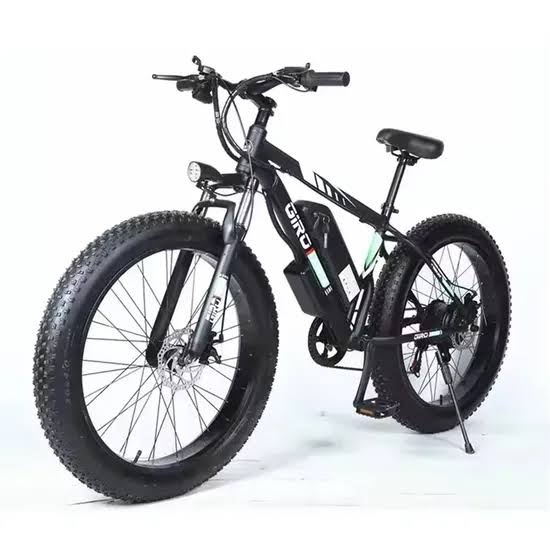
A rear hub motor can still be useful for recreational trail riding, gravel paths, hs, and light off-road use, but technical climbs and aggressive terrain generally favor a well-designed mid-drive system.
Hub Motor vs Mid-Drive Motor: Cost
Price is one area where hub motors often have an advantage.
Hub-drive systems can be less expensive to manufacture and are commonly found on budget and mid-range e-bikes.
Mid-drive systems can cost more because the motor, frame, drivetrain, and control system often require greater integration.
However, don’t assume that a cheap hub motor = poor quality or expensive mid-drive = automatically better.
A high-quality hub motor can be an excellent choice, while a poorly designed mid-drive bike can still disappoint.
Consider the entire package:
- Motor
- Battery
- Frame
- Brakes
- Drivetrain
- Wheels
- Tires
- Sensors
- Warranty
- Service availability
REI notes that e-bike pricing is influenced by motor, battery, reliability, and overall component quality—not simply motor type.
Hub Motor vs Mid-Drive Motor: Which Should You Buy?
Here’s a simple decision guide.
Choose a Hub Motor If:
- You mainly ride on flat or gently rolling roads.
- You want a lower purchase price.
- You prefer a simple commuting e-bike.
- You don’t frequently carry heavy loads.
- You want strong acceleration without relying heavily on gears.
- You primarily ride for transportation and recreation.
Choose a Mid-Drive If:
- You regularly ride steep hills.
- You carry children, groceries,s or other heavy cargo.
- You enjoy mountain biking.
- You want a natural pedaling experience.
- You ride long distances over varied terrain.
- You are comfortable using bicycle gears.
- You prioritize balanced handling and climbing performance.
Common Mistakes When Choosing an E-Bike Motor
1. Looking Only at Wattage
More watts don’t automatically mean a better riding experience.
Consider torque, sensors, gearing, and battery capacity as well.
2. Ignoring the Terrain
A motor that works brilliantly on flat streets may not be the ideal choice for steep mountain roads.
Think about where you will actually ride.
3. Forgetting About Service
Before buying, check whether replacement batteries, chargers displaysy,s and motor components are available in your region.
A reliable support network can matter just as much as the motor specification.
4. Ignoring the Drivetrain
If you choose a mid-drive, remember that the motor works through the chain and gears.
Quality components and good shifting habits become more important.
5. Buying the Most Powerful Motor
More performance isn’t always better.
A powerful motor can add weight, increase battery consumption, and may not provide meaningful benefits on a short, flat commute.
E-Bike Motor Types Explained
Most conventional e-bike drive systems fall into three basic placements:
Front Hub Motor
Mounted inside the front wheel hub.
Best for: simple commuting and recreational riding.
Rear Hub Motor
Mounted inside the rear wheel hub.
Best for: commuting, general transportation,n and riders who like a noticeable push from the motor.
Mid-Drive Motor
Mounted around the bottom bracket.
Best for: hills, cargo, touring, mountain biking and riders who want natural pedal assistance.
Bafang’s own motor range includes front, rear and mid-mounted systems, illustrating that manufacturers design different motor placements for different applications.
Final Verdict: Hub Motor vs Mid-Drive Motor
So, hub motor vs mid-drive motor — which is better?
For most riders, the answer depends on the job.
A hub motor is often the smarter choice for affordable commuting, flat terrain and straightforward everyday transportation. It can deliver plenty of useful assistance without requiring a premium budget.
A mid-drive motor is usually the better choice for steep hills, heavy loads, mountain biking and riders who want the most natural connection between their pedaling and the motor.
The key is not to ask, “Which motor is universally better?”
Instead, ask:
“Which motor is better for the way I actually ride?”
If your rides are mostly flat city streets, a quality rear hub e-bike may give you everything you need. If you’re climbing regularly, carrying serious cargo or tackling trails, investing in a well-designed mid-drive system can be worth the extra cost.
Ultimately, the best motor type for an e-bike is the one that matches your terrain, riding style, budget and maintenance expectations.
Quick Recommendation
- Best for budget commuting: Hub motor
- Best for flat roads: Hub motor
- Best for steep hills: Mid-drive
- Best for heavy cargo: Mid-drive
- Best for eMTBs: Mid-drive
- Best for simple everyday transportation: Hub motor
- Best for natural pedal feel: Mid-drive
- Best all-around performance: Mid-drive
- Best value for many casual riders: Quality rear hub motor
Bottom line:
Don’t choose an e-bike simply because its motor has the highest wattage or torque number. Choose a complete system that fits your real-world riding conditions. That approach will usually lead to a better, more enjoyable e-bike for years to come.