

Are Smart E-Bikes Worth the Money?
Are Smart E-Bikes Worth the Money?
Electric bikes have transformed urban transportation, making commuting faster, greener, and more enjoyable. But as technology continues to evolve, a new category has emerged—smart e-bikes. Packed with GPS tracking, smartphone connectivity, anti-theft systems, ride analytics, and automatic software updates, these high-tech bicycles promise much more than basic electric assistance.
But one important question remains: Are Smart E-Bikes Worth the Money?
The answer depends on how often you ride, your budget, your commuting habits, and the value you place on convenience and technology. While smart e-bikes typically cost more than standard electric bikes, they also offer features that improve safety, security, performance, and long-term ownership.
In this comprehensive guide, we’ll explore everything you need to know before investing in a smart e-bike, including their advantages, disadvantages, costs, real-world value, and who should consider buying one.
What Is a Smart E-Bike?
A smart e-bike is an electric bicycle equipped with advanced digital technology beyond the standard motor and battery system.
Unlike traditional electric bikes, smart models communicate with your smartphone, cloud services, and sometimes even other devices. These connected features provide better control, enhanced security, maintenance monitoring, and a more personalized riding experience.
Common Smart Features
Most premium smart e-bikes include features such as:
- GPS tracking
- Smartphone app integration
- Bluetooth connectivity
- Ride statistics and analytics
- Battery health monitoring
- Navigation assistance
- Remote locking
- Anti-theft alarms
- Automatic software updates
- Custom riding modes
- Crash detection
- Over-the-air firmware updates
Some premium models even offer AI-powered ride optimization and predictive maintenance alerts.
How Much Do Smart E-Bikes Cost?
Price is often the biggest factor when deciding whether smart e-bikes are worth the investment.
Here’s a general pricing breakdown:
| Type | Typical Price |
|---|---|
| Basic E-Bike | $700–$1,500 |
| Mid-Range Smart E-Bike | $1,500–$3,000 |
| Premium Smart E-Bike | $3,000–$7,000+ |
The higher price reflects additional hardware, advanced electronics, premium components, and proprietary software.
While the initial investment may seem significant, many riders recover some of that cost through lower transportation expenses over time.
What Makes Smart E-Bikes Different?
Many people assume smart features are simply luxury extras. In reality, some provide practical everyday benefits.
1. Advanced Security
Bike theft is a growing problem in many cities.
Smart e-bikes often include:
- GPS location tracking
- Motion detection
- Theft notifications
- Remote motor locking
- Alarm systems
If someone attempts to move your bike without permission, you’ll receive an instant notification on your phone.
Some systems even allow police to locate stolen bikes using real-time GPS data.
2. Smartphone Connectivity
One of the biggest advantages is seamless smartphone integration.
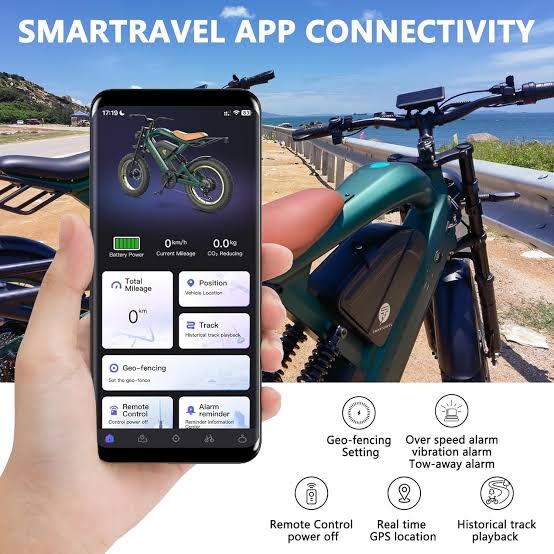
Dedicated mobile apps allow riders to:
- Check battery percentage
- Monitor remaining range
- Change assist levels
- Record rides
- View maintenance reminders
- Update bike software
- Plan routes
Instead of guessing your battery life, you’ll have accurate real-time information.
3. Navigation
Many smart bikes include built-in navigation.
Depending on the model, directions may appear through:
- Handlebar displays
- LED indicators
- Phone apps
- Voice guidance
This makes commuting easier, especially in unfamiliar cities.
4. Ride Analytics
Smart e-bikes collect useful riding data, including:
- Distance traveled
- Average speed
- Maximum speed
- Elevation climbed
- Calories burned
- Battery efficiency
- Trip history
For commuters and fitness enthusiasts, these insights can help improve riding habits and track progress.
5. Software Updates
Unlike traditional bicycles, smart e-bikes continue improving after purchase.
Manufacturers regularly release firmware updates that may:
- Improve battery management
- Increase motor efficiency
- Fix software bugs
- Add new riding modes
- Enhance security
Your bike essentially becomes smarter over time.
Benefits of Buying a Smart E-Bike
Let’s examine the biggest reasons many riders choose smart e-bikes over conventional electric bikes.
Better Theft Protection
Replacing a stolen e-bike can cost thousands of dollars.
Smart security features significantly reduce the risk of theft by making bikes harder to steal and easier to recover.
For riders living in busy cities, this feature alone may justify the higher purchase price.
Easier Maintenance
Smart systems continuously monitor the bike’s condition.
Instead of waiting for something to break, you’ll often receive alerts for:
- Low tire pressure (on supported models)
- Battery issues
- Motor diagnostics
- Service reminders
- Firmware updates
Preventive maintenance extends the bike’s lifespan and reduces repair costs.
Improved Riding Experience
Technology simplifies everyday riding.
Examples include:
- Automatic power adjustment
- Personalized assist modes
- Battery optimization
- Intelligent range estimation
These features create a smoother and more enjoyable ride.
Better Long-Term Value
Although smart e-bikes cost more initially, they often include:
- Higher-quality motors
- Better batteries
- Premium brakes
- Improved suspension
- Stronger frames
Combined with ongoing software support, they generally retain their value better than lower-end electric bikes.
Downsides of Smart E-Bikes
No product is perfect.
Before purchasing, consider these potential disadvantages.
Higher Initial Cost
The biggest drawback is price.
Smart features increase manufacturing costs, making these bikes considerably more expensive than standard e-bikes.
If you only ride occasionally, the additional investment may not make financial sense.
More Technology Means More Complexity
While smart features add convenience, they also introduce additional components that may require updates, troubleshooting, or occasional repairs.
Some riders prefer the simplicity of traditional electric bikes that have fewer electronic systems.
Subscription Services
Some manufacturers lock premium features behind monthly subscriptions.
Examples may include:
- GPS tracking
- Theft recovery
- Cellular connectivity
- Cloud storage
- Advanced ride analytics
Always check whether important features require ongoing payments before buying.
Battery Dependency
Many smart functions rely on the bike’s battery.
If the battery is completely depleted, features like GPS tracking, alarms, or app connectivity may become unavailable until the battery is recharged.
Are Smart E-Bikes Worth the Money for Different Types of Riders?
The answer depends largely on how you plan to use your bike.
Daily Commuters
If you ride every day, smart e-bikes often provide excellent value.
Benefits include:
- Reliable navigation
- Better theft protection
- Ride tracking
- Efficient battery management
- Lower commuting costs
Frequent riders benefit the most from these advanced features.
For more information, please click:
- Smart E-Bike vs Regular E-Bike: Which Is Better?
- Best Smart E-Bikes for City Commuting In 2026
- What Is a Smart E-Bike? A Beginner’s Guide
- How Smart E-Bikes Work In 2026
Weekend Riders
For occasional recreational cyclists, smart features may be nice to have rather than essential.
If your rides are short and infrequent, a quality standard e-bike may offer better overall value.

Delivery Riders
Food delivery and courier professionals spend long hours on the road.
Smart features like battery monitoring, GPS navigation, maintenance alerts, and theft protection can improve efficiency and reduce downtime.
For many delivery riders, the higher purchase price can pay for itself through increased productivity and reliability.