E-Bikes for Seniors: Safety Features and What Actually Matters?
E-Bikes for Seniors: Safety Features and What Actually Matters?
Introduction
For a lot of older riders, an e-bike isn’t about going faster — it’s about staying active without the parts of cycling that stopped feeling good years ago. Steep hills that used to be routine. Getting a leg over a tall frame. Recovering from a knee or hip replacement and wondering if regular biking is off the table for good.
An e-bike can solve a real problem here, but “any e-bike” isn’t the answer — the features that matter most for an older rider are often different from what a typical buying guide emphasizes. This post focuses on stability, ease of mounting, control, and safety, rather than speed or performance.
This post is for general guidance only, not medical advice. If you have a health condition, mobility limitation, or are recovering from an injury or surgery, talk to your doctor before starting to ride, and consider a session with a physical or occupational therapist familiar with cycling if balance or strength is a concern.
What Actually Matters for Senior Riders
Frame Style: Step-Through Over Step-Over
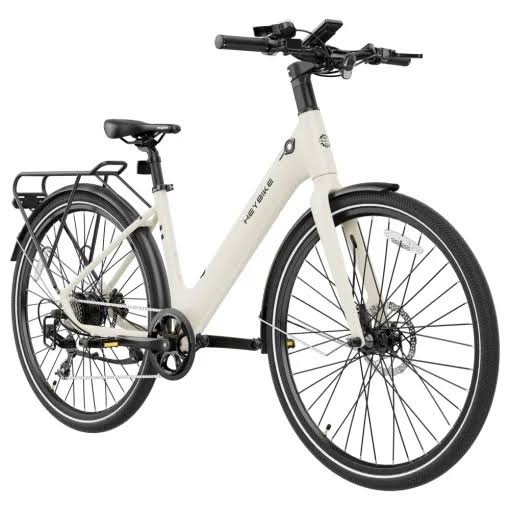
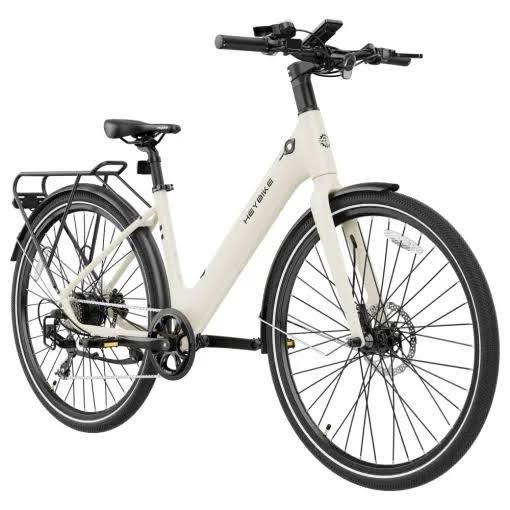
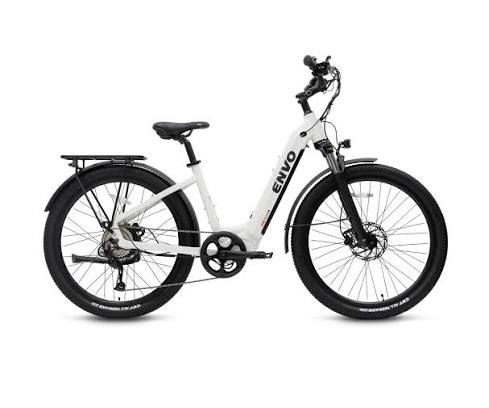
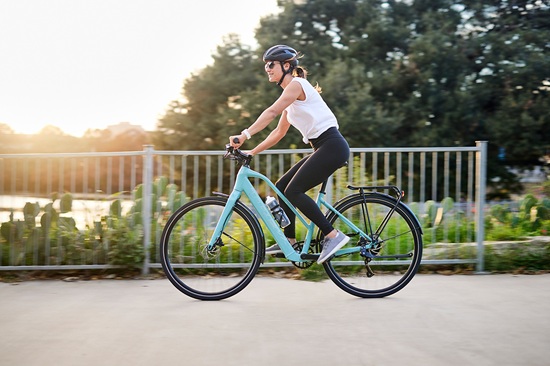
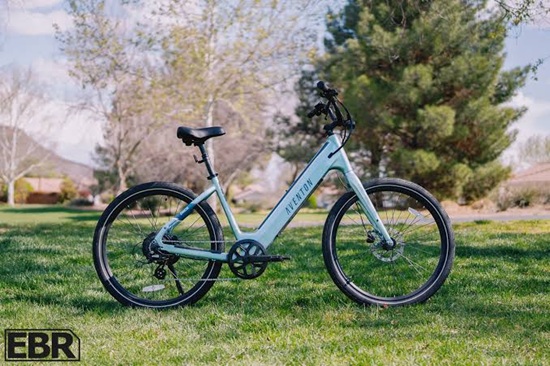
A step-through frame — where the top tube is low or absent — lets you mount and dismount without swinging a leg over a high bar. This matters more than it might seem: losing balance while mounting or dismounting is a common cause of falls, not riding itself. Almost every reputable senior-oriented e-bike will offer a step-through option, and it’s worth prioritizing even if a step-over frame looks sportier.
Stability at Low Speed
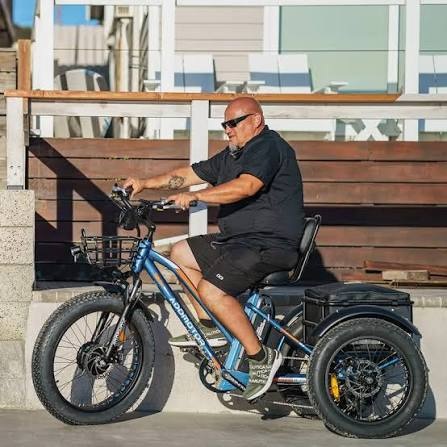
A bike that feels stable at 15 mph can feel wobbly and hard to control at walking pace — which matters most during starts, stops, and tight turns. Wider tires, a lower center of gravity, and a slightly longer wheelbase all improve low-speed stability. If balance is a specific concern, a three-wheeled e-trike removes the balance requirement almost entirely and is worth serious consideration over a traditional two-wheeled frame.
Throttle vs. Pedal-Assist
A throttle (available on Class 2 e-bikes) lets you move the bike without pedaling at all — useful for starting from a stop on an incline, or on days when joint pain makes the first few pedal strokes difficult. Pedal-assist-only bikes (Class 1) require you to pedal to get any motor help, which some riders prefer for the exercise benefit, but which can be harder in the specific moments where balance and starting torque matter most. Many senior riders do well with a bike that offers both, so they can choose based on the day and the terrain. For more on how the classes differ, see our guide: Class 1 vs. Class 2 vs. Class 3 E-Bikes.
Seat Comfort and Riding Position
An upright riding position — handlebars higher and closer than a sport bike’s — reduces strain on the back, wrists, and neck, and improves visibility of traffic and obstacles. A wider, more cushioned saddle also matters more for comfort over time than it does on a bike built for speed.
Weight of the Bike Itself
E-bikes are heavy — often 45 to 65 pounds — which matters if you’ll ever need to walk it up a curb, load it onto a car rack, or maneuver it in a garage. A lighter model, or one with manageable geometry for walking alongside, can matter more day-to-day than most spec sheets suggest.
Brakes You Can Actually Operate
Hydraulic disc brakes offer strong stopping power with less hand force required than mechanical brakes — a real consideration if grip strength or arthritis is a factor. Some senior-oriented models also offer adjustable brake lever reach, letting you position the lever for a more comfortable, effective grip.
Battery Placement and Charging
A battery mounted low and centered (rather than high on a rear rack) improves overall bike balance. Also consider a removable battery, which lets you charge indoors without needing to bring the whole bike inside or lift it over a high step.
Safety Features Worth Prioritizing
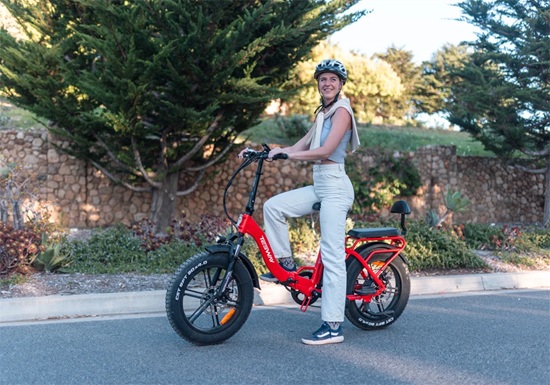
- Integrated lights (front and rear) that turn on with the bike, not an accessory you have to remember to attach
- Wide, grippy tires for better traction and a more forgiving ride over uneven pavement
- Low step-through height — some models go lower than standard “step-through” framing specifically for accessibility
- Automatic or simplified gear shifting, which reduces the number of things to manage while riding
- A kickstand rated for the bike’s full loaded weight — a common overlooked detail that matters more once the bike is parked and being mounted or dismounted
- Reflective elements and visibility gear, especially if riding in early morning or evening light
For more Information on E-Bikes Please Cllick Here
Two Wheels or Three? When to Consider an E-Trike
A three-wheeled e-trike trades some maneuverability and storage footprint for a major benefit: it removes the need to balance at a stop, which is often the single hardest part of riding for someone with balance concerns, inner ear issues, or recovery from a fall. Trikes also typically offer a larger, more stable cargo basket, useful for groceries or errands.
The tradeoffs: trikes are wider (harder to fit in bike lanes or through narrow paths), heavier, and often costlier than an equivalent two-wheeled e-bike. For riders without significant balance concerns, a well-chosen step-through two-wheeler is often the better everyday option — but for those where balance is the primary barrier to riding at all, a trike can be the difference between riding and not riding.
Cost, Insurance, and Coverage Considerations
Senior-oriented e-bikes are priced similarly to standard e-bikes, though trikes and models with specialized accessibility features often run higher. A few things worth checking before you buy:
- State and local e-bike rebate programs may apply regardless of age — see our guide: E-Bike Tax Credits and Rebates by State.
- Medicare does not generally cover e-bikes, as they’re not classified as durable medical equipment, though this is worth confirming directly with Medicare or a supplemental insurer if you have a specific medical justification, since coverage rules can vary and change
- Homeowners or renters insurance may offer some coverage for theft or damage — check your policy specifics rather than assuming coverage exists
Frequently Asked Questions
Is an e-bike safe for seniors? It can be, especially with the right frame style, stability features, and a manageable class/speed setting — but individual health factors matter. Anyone with balance concerns, recent surgery, or a cardiovascular condition should talk to a doctor before starting, and a low-speed test ride in a safe, open area is a smart first step regardless of age.
What’s the best e-bike class for seniors? There’s no single “best” class — it depends on the rider. Class A (pedal-assist only, 20 mph max) is the most widely accepted and often the most controllable option. B’s throttle can help with starts on inclines. Class 3’s higher top speed (28 mph) is generally not the priority for most senior riders focused on stability and control over speed.
Are three-wheeled e-bikes better for older riders? For riders with genuine balance concerns, often yes — a trike removes the need to balance at a stop, which is one of the most common fall risks. For riders without significant balance issues, a well-designed two-wheeled step-through e-bike is usually more practical day-to-day.
Can someone with bad knees or a hip replacement ride an e-bike? Many people can, since pedal-assist significantly reduces joint strain compared to a traditional bike — but this varies by individual condition and recovery stage. Check with your doctor or physical therapist before starting, particularly if you’re still in a recovery period.
Does Medicare cover e-bikes for seniors? Generally, no — e-bikes aren’t classified as durable medical equipment under standard Medicare coverage. Confirm directly with Medicare or a supplemental insurance provider if you believe a specific medical circumstance might apply, since coverage details can vary.
Final Takeaway
The right e-bike for an older rider usually isn’t the fastest or most feature-packed model — it’s the one that removes friction from getting on, staying balanced, and stopping safely. A low step-through frame, stable low-speed handling, throttle assistance for tough starts, and brakes that don’t require a strong grip will matter far more day-to-day than top speed or motor wattage.
If balance is a genuine concern, don’t rule out a trike — it can be the difference between riding regularly and not riding at all. And whatever you choose, a slow test ride in a safe, open space before committing to daily use is worth the extra step.