Best E-Bikes for Hills (2026): Top Picks for Hilly Cities
Best E-Bikes for Hills (2026): Top Picks for Hilly Cities
Introduction
If you live in a flat city, almost any e-bike will get the job done. If you live somewhere like San Francisco, Seattle, or Pittsburgh, the motor spec sheet stops being a formality and starts being the entire decision here; you need the best e-bikes for hills.
A bike that feels perfectly adequate on level ground can struggle badly — or drain its battery fast — the moment it hits a 15% grade. This guide breaks down exactly what to look for in an e-bike built for real hills, plus specific picks for some of America’s hilliest cities.
What Actually Matters for Hill Climbing
Before getting to specific bikes, it’s worth understanding why some e-bikes handle hills well and others don’t — because the marketing spec sheet doesn’t always tell the full story.
Motor Type: Mid-Drive Has a Real Advantage
Because a mid-drive motor powers the bike through its existing gears, it can maintain efficient torque on steep climbs, something a hub motor often can’t. A hub motor pushes the wheel directly, regardless of gear, which means it has to work harder — and draw more current — to produce the same climbing force. For a full breakdown, see our guide: Hub Motor vs. Mid-Drive Motor: Which Is Right for Your Riding Style?
Torque, Not Just Watts
Wattage gets all the marketing attention, but torque (measured in Newton-meters, or Nm) is a better predictor of hill-climbing ability. A motor with higher torque can produce more rotational force at low speeds — exactly the situation you’re in when grinding up a steep grade. Look for torque specs, not just peak wattage, when comparing bikes for hilly terrain.
Gear Range
On mid-drive bikes especially, a wide gear range matters. A bike with a proper low gear lets the motor and your legs work together efficiently on steep climbs, rather than relying on the motor to do all the work in a gear that’s too tall for the grade.
Battery Size and Real-World Range
Climbing draws significantly more power than flat riding. A battery rated for 50 miles on flat terrain might deliver considerably less in a hilly city — budget for this gap rather than assuming flat-terrain range numbers will hold.
Weight and Balance
A lighter E-bike is generally easier to climb with, but weight matters less than motor quality up to a point. More important on steep terrain: balanced weight distribution, since a rear-heavy bike (common with rear hub motors) can feel unstable on steep, technical climbs or descents.
Brakes
Steep city hills mean steep descents too. Hydraulic disc brakes offer more consistent stopping power than mechanical disc brakes, especially in wet conditions — a real factor in cities like Seattle and San Francisco.
Quick Buying Checklist for Hilly Terrain
- Mid-drive motor (strongly preferred over hub motor for sustained steep climbs)
- Torque rating of at least [XX] Nm
- Wide gear range with a genuinely low climbing gear
- Larger battery (400Wh+) to offset reduced hill-climbing range
- Hydraulic disc brakes
- Centered weight distribution
For More Information On E-Bikes Please Click Below:
Top Picks for Hilly Terrain
1-Best Overall for Hills: Ride1Up Prodigy V2
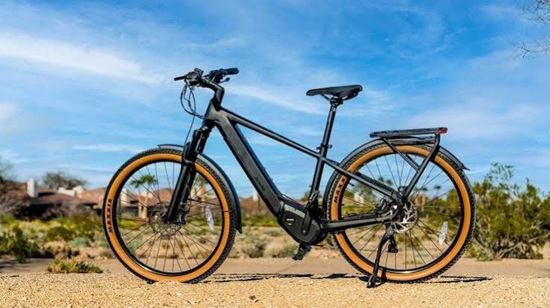
For most riders tackling regular hills, the Ride1Up Prodigy V2 stands out as the best overall pick. Its mid-drive motor paired with a torque sensor makes steep climbs feel smooth, controlled, and efficient rather than jerky or underpowered. Unlike hub-motor bikes that push power straight to the wheel regardless of gear, a mid-drive system uses the bike’s own gears to multiply torque, which generally makes climbing steep terrain more efficient.
Motor: Mid-drive, 90 Nm torque.
Battery: 504 Wh
Best for: Riders who want the strongest all-around hill performance
Motor & Power
- Brose TF Sprinter, German-made mid-drive motor with 90Nm of torque — the most powerful aluminum motor Brose makes, offering up to 380% max assistance
- 250W rated, with a 15A controller
- Features an internal belt drive for quiet operation, with torque-sensing for smooth, natural power delivery
Battery
- 36V, 14Ah (504Wh) battery from Phylion, using Samsung cells
- Integrated into the downtube, removable for off-bike charging, and lockable
- Expect roughly 30–50 miles of range depending on assist level
Speed & Class
- Class 3 e-bike, providing pedal assist up to 28 mph
- No throttle — most mid-drive e-bikes skip this since the motor engages only when pedaling
Drivetrain Options
- Choice of belt-driven Enviolo CVT hub (smooth, maintenance-free shifting) or a traditional microSHIFT 9-speed setup for more direct control
Brakes & Suspension
- Tektro Orion 4-piston hydraulic disc brakes
- Front air suspension fork with 100mm of travel
Frame, Weight & Fit
- Available in high-step (XR/LX) and step-through (ST/LS) frames; CVT version weighs about 61 lb, non-CVT about 58 lb
- High-step fits riders 5’6″–6’4″ (30.3″ standover); step-through fits 5’1″–6’3″ (25.8″ standover)
- Rated payload capacity up to 300 lb.
Extras
- 1.5″ LCD TFT color display with 4 pedal-assist levels and ride metrics; rigid rear rack with integrated light; Connect+ accessory mounting system.
2-Best Budget Option for Hills: Lectric XPeak 2.0
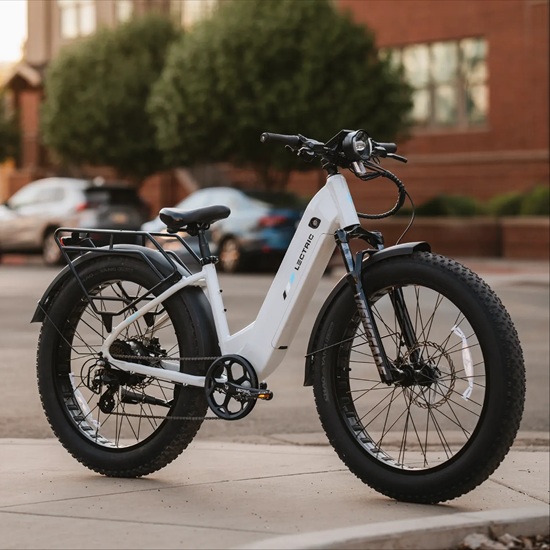
For riders who want real climbing muscle without the premium price tag, the Lectric XPeak 2.0 is the standout budget pick. It’s built around a 750W rear hub motor with 1310W of peak power and 85Nm of torque — numbers that rival bikes costing far more. A newly added torque sensor works alongside Lectric’s PWR+ programming to give smoother, more adaptive assist on varied terrain, so climbs don’t feel jerky or abrupt.
Motor: 85Nm
Battery: 960Wh
Class & Speed
- Rideable as a Class 1, 2, or 3 e-bike
Drivetrain
- 8-speed Shimano drivetrain with an 11-32t cassette and a modern under-the-bar trigger shifter
Suspension & Brakes
- RST Renegade front suspension fork with up to 80mm of travel
- Hydraulic mineral oil disc brakes — 203mm rotor up front, 180mm rear
Tires
- 26″ x 4″ puncture-resistant, knobby fat tires, with slime installed to prevent flats
Display
- Backlit color LCD display with USB-C charging port, IP65 water/dust resistant
Certifications
- UL 2271 (battery) and UL 2849 (electrical system) certified
Frame & Fit
- Available in high-step and step-through frame styles (one frame size, one color per style)
Price:
- Around $1,399
3-Best for Steep, Sustained Climbs: QuietKat Jeep E-Bike
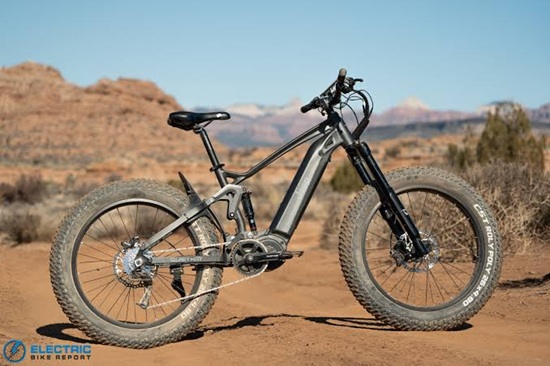
When the terrain gets genuinely brutal — long, steep, off-road grades rather than gentle city hills — the QuietKat Jeep is built for exactly that mission. It combines the mechanical advantage of a mid-drive motor with power output more typical of a hub motor, giving it a level of muscle rarely seen elsewhere. Whether you choose the 750W or 1000W version, torque remains the same at 160 Nm, meaning that even on ultra-steep terrain, the Jeep can keep the rear wheel turning without stalling. This is the pick for backcountry, hunting, and mountain-adventure riders who need sustained climbing power rather than just a commuter hill-assist.
Motor & Power
- 750W standard motor, upgradeable to 1000W Unrestricted kit with 1500W peak output.
- 160Nm of torque regardless of motor choice.
- Torque sensor (with switchable cadence sensor option) for natural power delivery matched to pedaling effort.
- Variable Power Output (VPO) technology lets riders switch between Class 1, 2, 3, or fully unrestricted modes.
Battery
- 14.5 Ah/48V (696 Wh) Panasonic battery, roughly 12 lbs.
- Up to 58 miles of range per charge, extendable with additional batteries or solar charging.
Drivetrain
- Wide-range 9-speed drivetrain with an 11-42T cassette for maximum torque range.
Suspension
- Front: QK Custom Inverted Air Fork, 150mm travel.
- Rear: RockShox Monarch RL, 150mm travel — full-suspension design.
Brakes
- Tektro 4-piston hydraulic disc brakes.
Tires
- CST 26″ x 4.8″ all-terrain fat tires.
Throttle & Assist
- Removable thumb throttle, with 10 levels of pedal assist.
Load Capacity
- 300+ lb capacity
Weight & Class
- Approximately 70 lbs total weight
- Configurable as a Class 1, 2, or 3 electric bicycle, or fully unrestricted for off-road/OHV use only
One important caveat: this is a serious off-road machine — QuietKat’s non-street-legal configuration is intended for off-pavement OHV use, so it’s built for trail and backcountry climbing rather than road commuting. It also runs heavier and pricier than the Prodigy V2 or XPeak, trading everyday practicality for raw sustained-climb capability
4-Best for Commuting on Hilly Routes: Trek Allant+ 8S
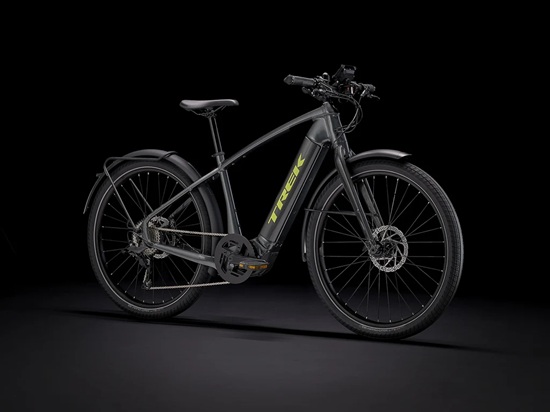
For riders who need to arrive on time and sweat-free, even with hills along the way, the Trek Allant+ 8S is purpose-built for exactly this job. It pairs a Bosch Performance Line Speed mid-drive motor delivering 85Nm of torque with a Class 3 top assisted speed of 28 mph, so it climbs hills confidently while still moving at real commuter pace on the flats. Real-world range runs from around 30 miles in full-power Turbo mode up to 75 miles in Eco mode, giving daily commuters plenty of flexibility to balance speed against range on hilly routes. It’s less about extreme off-road climbing and more about smooth, fast, everyday reliability — exactly what a hilly commute demands.
Motor & Power
- Bosch Performance Line Speed mid-drive motor, 250W nominal power (peaking at 600W), 85Nm of torque.
- Class 3, assisting up to 28 mph.
- Shift detection technology for smoother gear changes under power.
Battery
- 625Wh Bosch PowerTube battery, fully integrated into the frame
- Compatible with an optional external 500Wh Bosch Range Boost battery, nearly doubling capacity — Trek claims up to 100 miles per charge with both batteries combined
Range
- Approximately 30 miles in Turbo (max assist) mode, up to 75 miles in Eco mode
Drivetrain
- 10-speed Shimano Deore drivetrain
Brakes
- 4-piston hydraulic disc brakes
- 180mm rotors for strong, smooth stopping power
Suspension
- Adjustable coil spring suspension fork with lockout, preload, and rebound adjustment
Display & Controls
- Bosch head unit in a custom COBI mount — small LCD for essentials, or mount your phone and run the COBI app for navigation, calls, and music
- 500-lumen integrated headlight
Frame & Design
- Hydroformed aluminum frame fully encasing the battery
- Available in high-step and step-thru frame options, each in three sizes
- Integrated lighting, fenders, and rear rack included standard
Price:
- $4,049 to $6,349
For More Information On E-Bikes Click Here
Best E-Bike for San Francisco’s Hills
San Francisco’s grades are famously steep and short — the kind of terrain where torque and a genuinely low gear matter more than outright top speed. A mid-drive motor is close to essential here, and hydraulic brakes matter as much for the descents as the motor does for the climbs. Ride1Up Prodigy V2 or QuietKat Jeep is a strong fit for riders regularly tackling SF’s steepest streets.
Best E-Bike for Seattle
Seattle combines steep hills with frequent wet weather, which puts extra emphasis on braking performance and tire grip, not just climbing power. Look for a bike with hydraulic disc brakes and wider, grippier tires alongside strong hill-climbing specs. Ride1Up Prodigy V2 or Trek Allant+ 8S balances both well.
Best E-Bike for Pittsburgh
Pittsburgh’s hills tend to be long and sustained rather than short and sharp, which rewards battery capacity and motor efficiency over raw torque alone. A larger battery paired with a well-geared mid-drive motor will hold up better across Pittsburgh’s longer climbs than a bike optimized purely for short, steep bursts. Trek Allant+ 8S is well-suited to this kind of terrain.
Frequently Asked Questions
How much motor power do I need for hills?
Rather than focusing purely on wattage, prioritize torque (aim for a mid-drive motor with strong Nm specs) and a wide gear range. A well-geared, high-torque mid-drive motor will typically outperform a higher-wattage hub motor on steep terrain.
Can any e-bike climb steep hills?
Most e-bikes can climb moderate grades, but performance on genuinely steep terrain (12%+) varies enormously. Hub motors, smaller batteries, and limited gear ranges all struggle more as grade increases — check reviews and torque specs specifically for steep-hill performance, not just general range claims.
Does a heavier e-bike struggle more on hills?
Weight matters, but motor quality and torque matter more up to a point. A heavier bike with a strong mid-drive motor will often outperform a lighter bike with a weak hub motor on a steep climb.
How much range do I lose climbing hills?
Expect less range than a bike’s flat-terrain rating — climbing draws significantly more battery power than level riding. Budget accordingly, especially for regular hilly commutes, and consider it when comparing battery sizes across models.
What e-bike class is best for hills?
Class isn’t directly tied to hill performance — a Class 1 mid-drive bike can outperform a Class 2 hub-motor bike on a steep climb. Focus on motor type and torque rather than class rating when shopping specifically for hilly terrain. For more on how classes work, see our guide: Class 1 vs. Class 2 vs. Class 3 E-Bikes.
Final Verdict
For genuinely hilly terrain, the motor decision matters more than almost anything else on the spec sheet. A mid-drive motor with strong torque, a proper low gear, and a battery sized generously enough to handle real-world climbing losses will outperform a cheaper hub-motor bike every time on a steep grade — even if the hub-motor bike looks comparable on paper.
If you’re commuting through a genuinely hilly city like San Francisco, Seattle, or Pittsburgh, treat hill performance as a non-negotiable spec, not an afterthought — the wrong motor choice will show up on your very first ride home.
One thought on “Best E-Bikes for Hills (2026): Top Picks for Hilly Cities”