Second-Hand E-Bikes: Complete Buying Guide 2026
Second-Hand E-Bikes: Complete Buying Guide 2026
Buying Second-Hand E-Bikes can be one of the smartest ways to get a better electric bike without paying full retail price. A two-year-old premium e-bike may offer a better motor, battery, suspension, or components than a brand-new budget model at a similar price.
But there is an important catch: an e-bike is more complicated than a conventional bicycle. A used bike can look almost perfect while hiding an aging battery, damaged electronics, a worn drivetrain, or expensive repairs.
That makes the inspection process extremely important.
This second-hand electric bike buying guide explains what to check before paying, how to evaluate battery health, how to compare prices, where to look for refurbished e-bikes, and when buying new makes more sense.
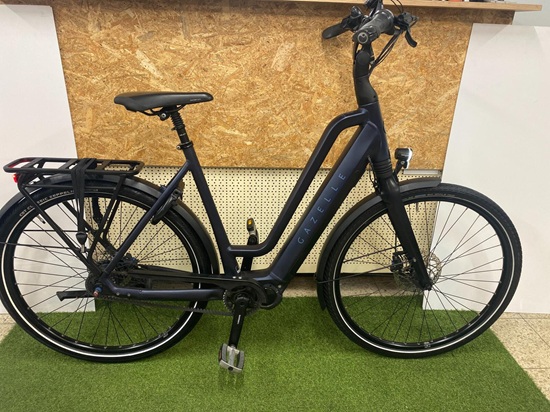
Is It Worth Buying a Second-Hand E-Bike?
Yes—if you buy based on condition rather than simply price.
A well-maintained used e-bike can provide excellent value. However, the cheapest listing is not necessarily the best deal because the battery and electrical system can represent a substantial future expense.
Before buying, consider:
- Battery age and current capacity
- Motor condition
- Charge cycles, if available
- Frame and fork condition
- Brake and drivetrain wear
- Charger authenticity
- Availability of replacement parts
- Previous ownership and maintenance
- Warranty or return protection
- Local laws and classification requirements
The most important rule is simple:
Calculate the cost of ownership, not just the purchase price.
A $900 e-bike that needs a $500 battery soon may be less attractive than a $1,200 bike with a healthy battery and documented maintenance.
Used E-Bike vs New E-Bike: Which Is Better?
There is no universal winner. Your choice depends on your budget, mechanical knowledge, and tolerance for risk.
| Factor | Second-Hand E-Bike | New E-Bike |
|---|---|---|
| Purchase price | Usually lower | Higher |
| Depreciation | Already absorbed | Highest during early ownership |
| Battery condition | Must be verified | Usually new |
| Warranty | May be limited/none | Usually included |
| Technology | May be older | Latest features |
| Repairs | Potentially higher | Usually lower initially |
| Value for money | Excellent if inspected | Better for peace of mind |
| Risk | Higher | Lower |
A used premium e-bike can be particularly attractive because expensive components such as a quality motor, hydraulic brakes, suspension, or carbon frame may become affordable after depreciation.
For inexperienced buyers, however, a professionally refurbished e-bike can provide a useful middle ground between private-party used bikes and brand-new models.
Used E-Bike Battery Health Check
The battery should usually be your first major inspection point.
A battery can appear normal externally while having significantly reduced usable capacity. Age, charge cycles, storage conditions, temperature, and previous usage all influence battery condition.
Bosch, for example, says a specialist dealer can measure battery capacity using its CapacityTester.
What to Ask the Seller
Ask:
- How old is the battery?
- Is it the original battery?
- What is its rated capacity in Wh?
- How many charge cycles has it completed?
- How was it stored?
- Has it ever been repaired?
- Has it been exposed to water or severe heat?
- Is the original charger included?
- What range does it currently provide?
- Are there battery diagnostic records?
Don’t automatically reject a bike because its battery is a few years old. Age alone does not tell you the complete story.
Check the Battery Physically
Look carefully for:
- Swelling or deformation
- Cracks
- Dents from impacts
- Corrosion around contacts
- Burn marks
- Loose mounting
- Water damage
- Damaged charging connectors
- Unusual heat
A visibly damaged lithium-ion battery should be treated seriously. Electrical Safety First recommends stopping use and charging if a battery shows signs of damage and advises using the manufacturer’s original or approved replacement charger.
How to Test a Used E-Bike Battery
If possible, arrange the inspection when the battery is reasonably charged.
Then take a test ride.
During the ride, monitor:
- Battery percentage
- Estimated remaining range
- Motor assistance
- Power consistency
- Error messages
- Battery temperature
- Unexpected shutdowns
A short ride cannot provide a laboratory-grade battery capacity measurement, but it can expose obvious problems.
For a Bosch, Shimano, or other sophisticated drive system, ask whether a dealer can perform a diagnostic test before purchase. A professional battery-capacity test is much more useful than simply looking at the percentage shown on the display.
Expert tip: Don’t rely solely on the seller saying, “The battery lasts all day.” Range depends heavily on rider weight, terrain, temperature, assist level, tire pressure, and riding speed.
Used Electric Bike Inspection Checklist
Once the battery passes your initial check, inspect the rest of the bike systematically.
1. Frame and Fork
Look for:
- Cracks
- Deep scratches
- Dents
- Rust
- Bent components
- Damaged welds
- Signs of a crash
Pay particular attention around the head tube, bottom bracket, seat tube, rear triangle, and suspension mounting points.
For a carbon-fiber e-bike, be especially cautious about impact damage. If you suspect structural damage, have the bike examined by a qualified bicycle mechanic.
2. Motor
A healthy motor should deliver smooth, predictable assistance.
During the test ride:
- Start from a stop
- Try every assistance mode
- Ride uphill if possible
- Listen for unusual grinding or clicking
- Check for vibration
- Watch for sudden power cuts
A motor that works perfectly for five minutes but overheats or cuts out under load deserves further investigation.
3. Controller and Display
Check:
- Display brightness
- Battery percentage
- Speed reading
- Assist modes
- Buttons
- Bluetooth/app connectivity
- Error codes
- Walk-assist function, if fitted
Turn the system off and restart it. Some intermittent electrical faults only appear after cycling the system.
4. Brakes
Inspect brake pads, rotors, cables, and hydraulic systems.
During the test ride, braking should feel predictable and powerful without:
- Excessive vibration
- Grinding
- Squealing accompanied by poor braking
- A spongy hydraulic lever
- Excessive lever travel
5. Tires and Wheels
Check:
- Tire tread
- Cracks or dry rot
- Punctures
- Wheel alignment
- Loose spokes
- Rim damage
- Bearing play
Replacing two tires and servicing wheels can quickly add to the real cost of a bargain.
6. Drivetrain
On geared e-bikes, inspect:
- Chain
- Cassette
- Chainrings
- Derailleur
- Shifter
- Crankset
A worn drivetrain doesn’t necessarily mean you should walk away, but it should influence the price.
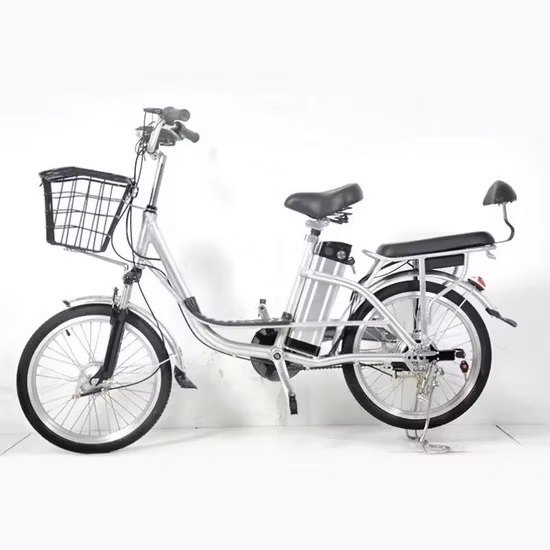
Second-Hand E-Bike Inspection Checklist
Use this quick checklist when viewing a bike:
Electrical
- Battery condition checked
- Battery age confirmed
- Charger included
- Charger is genuine/approved
- Motor runs smoothly
- No unexplained error codes
- Display works
- All assist modes work
- Wiring and connectors look undamaged
Mechanical
- Frame inspected
- Fork inspected
- Wheels straight
- Tires healthy
- Brakes strong
- Drivetrain shifts correctly
- Suspension operates correctly
- No unusual bearing play
Documentation
- Original receipt if available
- Serial number recorded
- Service history
- Battery documentation
- Charger documentation
- Warranty status checked
- Ownership history verified
How to Buy a Used E-Bike Safely
Safety starts before the test ride.
1. Verify the Serial Number
Ask for the frame serial number and check whether your country has a bicycle theft registry or relevant reporting database.
A seller who refuses to provide a serial number should raise a major red flag.
2. Ask for Proof of Ownership
Ideally, the seller should have:
- Original purchase receipt
- Dealer invoice
- Service records
- Warranty documents
- Battery receipt if it was replaced
No receipt does not automatically mean a bike is stolen, but the more documentation you have, the easier it is to establish legitimate ownership.
3. Meet in a Safe Location
For private transactions:
- Meet during daylight
- Choose a public location
- Take someone with you
- Don’t carry large amounts of cash
- Don’t send a deposit before seeing the bike
- Avoid pressure to complete the transaction immediately
4. Never Skip the Test Ride
A test ride is essential.
A bike can look immaculate in photographs but reveal motor cut-outs, brake problems, suspension noise, battery degradation, or poor shifting within minutes.
Be Careful With Used E-Bike Chargers
The charger deserves almost as much attention as the battery.
Electrical Safety First specifically warns buyers about second-hand batteries and chargers and recommends using the manufacturer’s charger or an approved replacement.
Avoid a bike if the seller offers a questionable charger with:
- Damaged cables
- Exposed wiring
- Melted connectors
- Incorrect voltage
- No manufacturer markings
- Unclear origin
- Signs of overheating
Never assume that two chargers are interchangeable simply because the plug fits.
Refurbished E-Bikes for Sale: Are They Safer?
A refurbished e-bike can be a strong alternative to buying directly from a private seller.
The key difference is inspection and support.
For example, Upway says its refurbished bikes undergo a multi-point inspection covering structural, mechanical, electrical, battery, and motor systems, followed by repairs where necessary and a final test ride.
Its inspection documentation can include battery health, mileage, repairs, mechanic notes, and ownership history.
That doesn’t mean every refurbished marketplace provides the same level of service.
Before buying, ask:
- What exactly was inspected?
- Was the battery capacity tested?
- Were worn components replaced?
- Is there a warranty?
- Is there a return period?
- Who performs the repairs?
- Is the bike’s ownership history documented?
Refurbished does not automatically mean “like new.” Look for evidence of what was actually done.
Best Websites to Buy Used E-Bikes
The best platform depends heavily on your country.
Generally, your options fall into four categories:
1. Certified Refurbished E-Bike Retailers
Best for buyers who want:
- Inspection reports
- Warranty
- Returns
- Professional servicing
- Battery diagnostics
This is usually the safest route for beginners.
2. Manufacturer Certified Pre-Owned Programs
Some established bicycle manufacturers and dealers sell inspected pre-owned or trade-in bikes.
These can offer better confidence because the seller understands the specific bike platform.
3. Specialist Bicycle Marketplaces
Dedicated cycling marketplaces can provide better listings than general classifieds, particularly for premium road, gravel, mountain, and commuter e-bikes.
4. Local Classified Platforms
Examples include major general marketplaces and local cycling groups.
These can provide the lowest prices, but you assume much more of the inspection risk.
Don’t choose a website simply because it has the cheapest listings. Choose the platform that provides the right balance of price, verification, inspection, warranty, and buyer protection.
Second-Hand E-Bike Price Guide 2026
There is no single global used-e-bike price because prices vary dramatically between countries, brands, battery sizes, age, and condition.
Instead of using a fixed percentage depreciation formula, use this practical framework:
Less than 20% below comparable new pricing
Usually not attractive unless the bike is nearly new and includes meaningful extras or transferable warranty.
Around 20–40% below new pricing
Potentially reasonable for a well-maintained bike with a healthy battery.
Around 40–55% below new pricing
Can represent excellent value if the battery, motor, frame, and major components are healthy.
More than 55–60% below new pricing
Investigate carefully.
There may be a legitimate reason, such as:
- Older battery
- Discontinued model
- Cosmetic damage
- High mileage
- Expensive maintenance
- Missing charger
- No warranty
- Structural or electrical problems
The cheapest e-bike is not necessarily the best bargain.
What Makes a Used E-Bike a Great Deal?
Imagine two listings:
Bike A: $1,000
Three years old, original battery, no records, aftermarket charger.
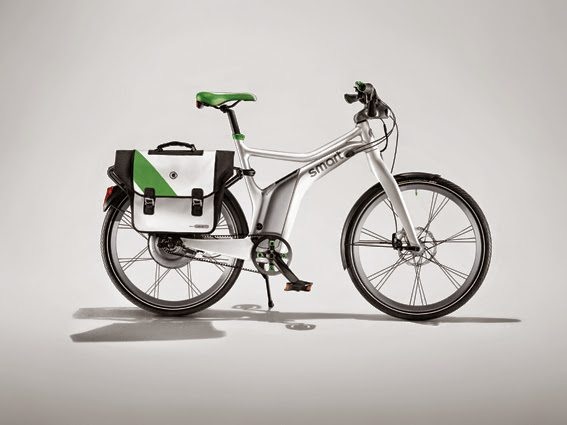
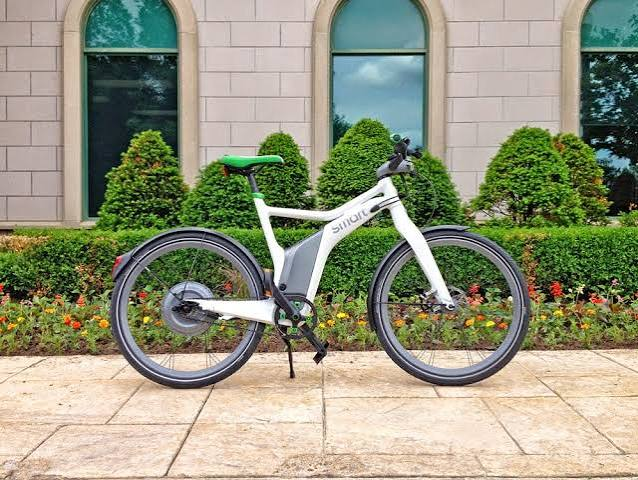
Smart E-Bike B: $1,250
Two years old, excellent battery report, original charger, service history, new brake pads, and transferable warranty.
Bike A looks cheaper.
But Bike B may actually be the better financial decision because its future repair risk is lower.
This is why you should compare condition-adjusted price, not sticker price.
Is Mileage Important on a Used E-Bike?
Yes, but don’t treat mileage like the mileage on a car.
A 2,000-mile e-bike with excellent maintenance can be a better purchase than a 700-mile bike that has been stored poorly.
Consider mileage alongside:
- Battery cycles
- Battery age
- Riding environment
- Maintenance history
- Motor usage
- Weather exposure
- Previous owner’s storage habits
For example, frequent mountain-bike use can place very different demands on components than gentle urban commuting.
Red Flags: When to Walk Away
Be cautious if the seller:
- Refuses a test ride
- Won’t provide the serial number
- Has no credible ownership story
- Says the battery is “fine” but won’t allow testing
- Uses a suspicious charger
- Has taped or modified wiring
- Hides error messages
- Has a damaged battery case
- Wants payment before inspection
- Pressures you to buy immediately
- Prices the bike far below comparable models
A seller saying “I don’t know anything about the battery” isn’t necessarily dishonest—but it means you should price the bike as an unknown-risk purchase.
How to Negotiate the Price
Don’t simply say, “Can you take $200 off?”
Instead, identify actual costs.
For example:
“The rear tire needs replacement, the brake pads are nearly finished, and there is no original charger. I’d need to spend money immediately after purchase, so I’d be comfortable at $X.”
This approach is more convincing because your offer is based on measurable issues.
If the battery health is unknown, you can also explain that you’re taking on the risk of a future battery replacement.
Second-Hand E-Bike Buying: Final Decision
Before handing over the money, ask yourself five questions:
- Is the battery healthy enough for my daily range?
- Does the motor and electronics work correctly?
- Is the frame structurally sound?
- Can I get replacement parts and service locally?
- Is the total price genuinely better than buying new?
If you can answer yes to all five, a second-hand e-bike can be an excellent purchase.
If the battery is damaged, the charger is questionable, the ownership history is unclear, or the electrical system has unexplained faults, walking away is usually cheaper than trying to rescue a bad deal.
Final Verdict: Should You Buy a Second-Hand E-Bike?
Second-Hand E-Bikes can offer outstanding value in 2026—but only when you inspect them properly.
The battery should be your priority, followed by the motor, controller, frame, brakes, drivetrain, charger, and ownership documentation.
For experienced buyers, a private-party purchase can deliver the lowest price. For beginners, a professionally refurbished e-bike with battery diagnostics, inspection documentation, warranty, and a return policy can justify paying a little more.
Most importantly, don’t buy based on appearance alone.
A shiny frame doesn’t tell you how healthy the battery is. A low odometer reading doesn’t guarantee careful maintenance. And a huge discount doesn’t necessarily mean you’ve found a bargain.
Buy the bike’s remaining useful life—not just its low price.
That mindset is the foundation of a successful second-hand e-bike buying guide and the best way to avoid turning a cheap electric bike into an expensive repair project.