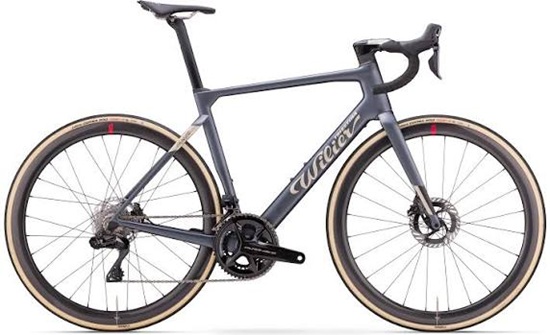
E-Bike Laws by State: The Complete 2026 Guide
E-Bike Laws by State: The Complete 2026 Guide
Introduction
There’s no single federal law that tells you where you can ride your e-bike, how old you need to be, or whether you need a helmet. E-bikes fall almost entirely under state jurisdiction, and in some cases, city and county rules stack another layer on top of that.
Most states have converged on a shared framework — the three-class system — but “most” isn’t “all,” and 2026 has already brought major changes in a handful of states. If you’re buying an e-bike, riding one across state lines, or just want to confirm you’re not breaking a local trail rule, this guide breaks down what’s currently true and where to check for updates.
This guide is for general information, not legal advice. E-bike laws change frequently — always verify current rules with your state DMV or transportation department before riding, especially if you’re near a state line or riding on trails managed by a separate agency.
The Three-Class System, Explained
Most U.S. states classify e-bikes using a system built around motor type and top assisted speed:
- Class 1: Pedal-assist only (no throttle), with motor assistance cutting off at 20 mph. Generally allowed anywhere a traditional bicycle is allowed, including most bike paths and multi-use trails.
- Class 2: Adds a throttle that can power the bike without pedaling, also capped at 20 mph. Access is usually the same as Class 1, though some trail systems restrict throttle bikes specifically.
- Class 3: Pedal-assist up to 28 mph, typically with no throttle (or a throttle limited to a much lower speed). Class 3 bikes face the most restrictions — many states require riders to be at least 16, and some bar Class 3 bikes from bike paths or require a helmet regardless of age.
As of 2026, roughly three dozen states plus Washington, D.C. use some version of this three-class model. But the number of states using it exactly as originally designed keeps shifting as legislatures update their laws — several states adopted or modified it just this year.
For a deeper breakdown of what separates the three classes, see our companion guide: Class 1 vs. Class 2 vs. Class 3 E-Bikes.
States That Do Things Differently
Not every state uses the three-class system, and a few have moved away from it recently:
- New Jersey eliminated the three-class system in 2026 and now treats all e-bikes as motorized bicycles, regardless of top speed. That means registration with the state Motor Vehicle Commission, a valid driver’s license or e-bike-specific license, and liability insurance — the same requirements whether the bike tops out at 15 mph or 28 mph.
- Massachusetts classifies e-bikes as motorized bicycles with speeds up to 30 mph, outside the standard three-class framework.
- Rhode Island sets a 25 mph maximum speed under its own definition rather than adopting the class system.
- Pennsylvania regulates by weight (under 100 lbs) and motor power (under 750 watts) rather than by class.
- Alaska classifies e-bikes as motorcycles, which brings a different set of licensing and equipment rules entirely.
If you’re shopping for an e-bike or planning to ride across state lines, don’t assume a bike that’s fully compliant in one state is automatically legal in the next — especially around New Jersey, where the rules changed significantly this year.
What Varies Most From State to State
Even among states that use the three-class system, the following details are rarely identical:
Minimum age. Sixteen is the most common minimum age for Class 3 e-bikes, but requirements for Class 1 and Class 2 riders vary — some states set no minimum age at all, others require riders to be at least 14 or 15.
Helmet requirements. Many states tie helmet rules to rider age rather than bike class — for example, requiring helmets for all riders under 18 regardless of which class they’re on. Some states add class-specific helmet rules on top of that, particularly for Class 3.
Trail and path access. Class 1 e-bikes are generally welcome wherever traditional bicycles are allowed. Class 2 and Class 3 access is far more inconsistent — some multi-use paths and natural-surface trails restrict throttle-equipped bikes or cap access at Class 1 only, and land managers (state parks, national forests, local trail authorities) can set stricter rules than the state itself.
Registration, license, and insurance. In most three-class states, standard e-bikes require none of the three. New Jersey is now the clearest exception. A handful of other states have narrower requirements tied to specific bike types or modifications.
Local ordinances. Cities and counties can layer additional restrictions on top of state law — sidewalk riding bans, lower speed limits on specific paths, or local licensing for e-bike rental fleets are common examples.
What Changed in 2026
A few states made notable updates this year that are worth knowing if you already own an e-bike or are shopping for one:
- New Jersey now requires registration, a license, and insurance for all e-bikes, as noted above — the most significant departure from the three-class norm in years.
- California introduced stricter battery testing and certification standards for e-bikes sold or leased in the state, along with a requirement for a rear red reflector or built-in reflective taillight visible during all riding hours, not just after dark.
- Several other states — including New Jersey, Hawaii, Oregon, Tennessee, Washington, and North Carolina — made adjustments to their e-bike statutes in 2026, ranging from equipment requirements to clarifications around what counts as a “power performance” or modified e-bike versus a standard one.
Because these updates are recent and more states are actively revising e-bike statutes, treat any “as of [date]” guide — including this one — as a starting point, then confirm current rules directly with your state’s transportation or motor vehicle agency.
For More Information On Smart E-Bikes Please Click Below:
- Best E-Bikes Under $1,500 In 2026: Tested and Ranked
- Best Folding Smart E-Bikes
- Best Budget Smart E-Bikes Under $1000
A Simple Pre-Ride Checklist
Before you ride a new e-bike, or ride an existing one somewhere unfamiliar, confirm:
- What class is my bike? Check the manufacturer’s classification sticker (required in most states) or the spec sheet.
- Am I old enough to ride it, per my state’s rules?
- Do I need a helmet? Check both state law and, if you’re under 18, whether age-based rules apply regardless of class.
- Where can I actually ride it? Roads, bike lanes, and paved paths are usually fine — trails and natural-surface paths need a separate check, especially for Class 2 and Class 3 bikes.
- Does my state or city require registration, a license, or insurance? Assume no unless you’re in New Jersey or a similar non-standard state — but verify.
- Am I crossing a state line? If so, repeat steps 1–5 for the state you’re riding into.
When in doubt, Class 1 e-bikes remain the most universally accepted setup across the country, with the fewest restrictions on where you can ride.
Frequently Asked Questions
Do I need a license to ride an e-bike?
In most states, no — standard Class 1, 2, and 3 e-bikes are treated as bicycles and don’t require a driver’s license. New Jersey is a current exception, requiring either a driver’s license or an e-bike-specific license for all e-bikes.
Do e-bikes need to be registered?
Most states don’t require registration for standard e-bikes. New Jersey now requires it for all classes; a few other states have narrower registration rules tied to specific bike types or modifications.
Is a Class 3 e-bike legal on bike paths?
It depends on the state and, often, the specific trail or path authority. Class 1 e-bikes have the broadest access; Class 2 and Class 3 access varies significantly and is sometimes restricted even within a state that otherwise allows all three classes on roads.
Do e-bike laws apply the same way to e-bikes bought out of state?
No — the laws that apply are based on where you’re riding, not where you bought the bike. A Class 3 e-bike purchased in a permissive state may face different rules the moment you cross into a stricter one.
How often do e-bike laws change?
More often than most riders expect. Several states updated their e-bike statutes in 2026 alone, and legislative sessions in additional states are actively considering changes. Checking your state’s current rules periodically — not just once at purchase — is a good habit.
Final Takeaway
The three-class system has made e-bike law more consistent than it was a few years ago, but “consistent” doesn’t mean “identical.” Age minimums, helmet rules, trail access, and — in a growing number of states — registration and licensing requirements still vary enough that assuming your home state’s rules apply everywhere is a real risk, not just a technicality.
If you’re buying a new e-bike, start with our guide to the three classes to understand what you’re choosing between: [Class 1 vs. Class 2 vs. Class 3 E-Bikes]. And before your next ride somewhere new, take two minutes to confirm the current rules for that specific state.
This guide reflects general trends as of August 2026 and is not a substitute for checking official state sources. Laws referenced here (particularly for New Jersey, California, and other recently updated states) should be verified against current state DMV/DOT publications before you rely on them.